

TL;DR:
- Workplace defamation involves false statements that harm an employee’s reputation or career in museums.
- Recent lawsuits at The Broad highlight risks of false claims leading to discrimination, retaliation, and reputational damage.
- Employees should document incidents, report in writing, and consult lawyers quickly to protect their rights.
When two lawsuits hit The Broad Museum in January 2025, alleging discrimination, retaliation, defamation, and sexual harassment, many museum professionals in Los Angeles were caught off guard. Most employees and executives working in Miracle Mile institutions like LACMA assume defamation is something that happens in courtroom dramas, not in curators’ offices or facilities management. The reality is different. False statements made by supervisors, executives, or colleagues can destroy careers, trigger wrongful termination, and create lasting reputational harm. This guide breaks down what workplace defamation actually means in the LA museum context, what your rights are, and what steps you should take to protect yourself.
Table of Contents
- What is workplace defamation in LA museums?
- Recent workplace defamation lawsuits: The Broad and LACMA
- Your legal rights and first steps after workplace defamation
- Outcomes, risks, and what to expect from a workplace defamation claim
- Why typical museum defamation advice misses the mark
- How to get help with workplace defamation claims
- Frequently asked questions
Key Takeaways
| Point | Details |
|---|---|
| Defamation risk is real | Even top Los Angeles museums can face workplace defamation claims that threaten careers and reputations. |
| Knowing your rights matters | Museum workers and executives are protected by California law, but fast action is required due to a one-year deadline. |
| Proper steps protect you | Document incidents, report issues internally, and get legal guidance to safeguard your reputation and job. |
| Outcomes can vary | Lawsuits may lead to vindication, settlements, or damage control—each case is different. |
What is workplace defamation in LA museums?
Workplace defamation happens when someone makes a false statement of fact about you, shares it with at least one other person, and that statement causes real harm to your reputation or career. It is not just about hurt feelings. It is a legal claim with specific requirements.
Defamation comes in two forms. Libel is written defamation, such as a false performance review, a damaging email, or a misleading internal memo. Slander is spoken defamation, like a supervisor telling colleagues that you committed misconduct when you did not. Both can occur in museum workplaces, and both can form the basis of a legal claim.
Understanding California workplace defamation law is critical because not every harmful statement qualifies. Opinions are generally not defamatory. Saying someone is “difficult to work with” may be hurtful but is usually not actionable. A provably false claim, such as falsely accusing someone of theft or incompetence with no factual basis, is a different matter entirely.

In the case of The Broad Museum, Rick Mitchell sued alleging that former COO Alysa Gerlach made false statements about his job performance, called him an “old white man” and a misogynist, and that these statements contributed to his termination based on age and racial bias. This is a textbook example of how defamation and discrimination can overlap in a workplace setting.
Key elements of a defamation claim in California:
- A false statement of fact (not opinion)
- Publication to at least one third party
- Fault on the part of the person making the statement
- Actual harm to reputation, career, or finances
| Type | Example in a museum setting | Legal risk |
|---|---|---|
| Libel | False written performance review | High |
| Slander | Verbal accusation of misconduct | High |
| Opinion | “I don’t think they’re a good fit” | Generally low |
| True statement | Accurate disciplinary record | Not defamatory |
For a deeper look at how these claims play out locally, the LA workplace defamation guide from Shirazi Law Office walks through real scenarios. If the defamation followed an HR complaint, the dynamics shift further, as explored in this resource on defamation after HR complaints.
Recent workplace defamation lawsuits: The Broad and LACMA
Seeing real cases makes the stakes concrete. The Broad Museum has been at the center of two significant lawsuits filed in January 2025. The second suit involved Rick Mitchell, a facilities manager who had worked at The Broad since 2015. His complaint alleged that false statements made by a senior executive contributed directly to his termination. The full story on The Broad’s lawsuits reveals a pattern of alleged retaliation and discrimination woven together with defamation.
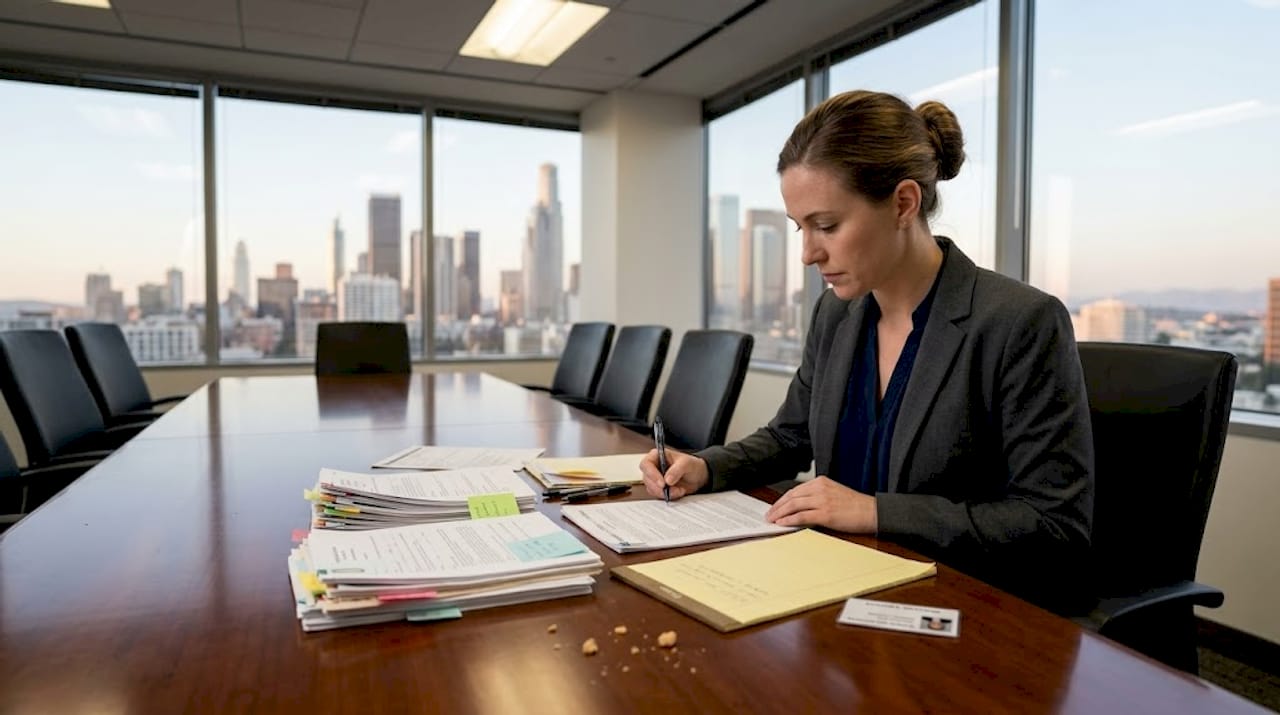
A separate lawsuit involved Darron Walker, raising similar concerns about how leadership at the museum handled internal conflicts. Both cases illustrate how quickly personal accusations at the executive level can escalate into formal legal action.
LACMA presents a contrast. As of 2026, no defamation lawsuits have been publicly filed at LACMA. Recent issues there center on union recognition disputes and worker burnout, not defamation. That does not mean LACMA employees are immune. It means the risks have surfaced differently so far.
| Institution | Defamation lawsuits | Other workplace issues |
|---|---|---|
| The Broad Museum | 2 filed (January 2025) | Discrimination, retaliation, harassment |
| LACMA | None public as of 2026 | Union disputes, burnout |
“The Broad Museum faced two lawsuits in January 2025 alleging workplace discrimination, retaliation, defamation, and sexual harassment involving employees and executives.” Los Angeles Times, January 2025.
Who gets targeted? Patterns from The Broad cases suggest that employees who raise concerns internally, or who are seen as inconvenient by leadership, face the greatest risk of false accusations. Executives with authority over performance reviews are in a position to cause significant harm if they misuse that authority.
Pro Tip: Even if no formal lawsuit is filed, internal accusations can damage your career just as much. A false claim in your personnel file or shared in a leadership meeting can follow you to your next job. Document everything from the moment you sense something is wrong.
For those working near Miracle Mile, the Miracle Mile employment resources page provides local context. The Beverly Hills defamation claims guide is also worth reviewing if your institution spans multiple LA locations.
Your legal rights and first steps after workplace defamation
With the context of real cases established, here is what to do if you find yourself the target of workplace defamation at a museum or cultural institution.
Step-by-step action plan:
- Document everything immediately. Write down dates, times, what was said, and who heard it. Save emails, texts, and any written communications.
- Report internally in writing. Submit a formal complaint to HR or your director. A written record protects you if the situation escalates.
- Request copies of your personnel file. California law gives you the right to review your employment records. Look for anything inaccurate.
- Consult an employment attorney promptly. California has a 1-year statute of limitations for defamation claims. Waiting too long can eliminate your options.
- Understand how claims overlap. Defamation often intersects with discrimination, retaliation, and wrongful termination. An attorney can help you identify all viable claims.
What to watch for:
- False statements in performance reviews
- Rumors spread by supervisors to other staff or departments
- Accusations of misconduct made during or after an internal complaint
- Statements made to prospective employers during a reference check
California’s Fair Employment and Housing Act (FEHA) also covers related discrimination and hostile work environments, which often accompany defamation in museum settings. If you were terminated after a false accusation, your wrongful termination rights may be directly relevant. And if the defamation followed your reporting of misconduct, the law on reporting misconduct provides additional protections.
Pro Tip: Defamation and retaliation claims are often stronger together. If a false accusation came after you filed an HR complaint or reported a safety issue, that timing matters legally.
Outcomes, risks, and what to expect from a workplace defamation claim
Once a claim is made, museum professionals need to understand what is realistically ahead. The Broad Museum cases are still ongoing, and the museum has denied the allegations as “without merit,” stating that proper processes were followed. This is the standard institutional response, and it does not mean the claims lack substance.
| Possible outcome | What it means for you |
|---|---|
| Settlement | Confidential resolution, possible financial compensation |
| Vindication | Public record cleared, possible reinstatement |
| Ongoing litigation | Lengthy process, emotional and financial toll |
| Mixed result | Some claims succeed, others dismissed |
Risks to consider before filing:
- Public exposure of your case in the press, especially in high-profile LA institutions
- Employer retaliation during the legal process (which itself may be actionable)
- Career uncertainty while the case is pending
- Emotional toll of reliving the events through depositions and hearings
“Museums are not immune to the same power dynamics that drive defamation in corporate settings. In fact, the close-knit, reputation-driven nature of the art world can make false accusations even more damaging.”
The typical timeline for a defamation case in California ranges from one to three years, depending on complexity and whether it settles early. For studio and arts sector defamation cases, the dynamics are similar. Early legal consultation is the single most effective way to shorten that timeline and improve your outcome.
The latest developments in museum lawsuits show that these cases rarely resolve quickly. But they do resolve, and employees who act early and strategically are in a far stronger position.
Why typical museum defamation advice misses the mark
Most generic HR guidance tells employees to “document everything and report to HR.” That advice is not wrong. But in the LA museum world, it is dangerously incomplete.
Museums like The Broad and LACMA operate under intense public scrutiny. When a defamation claim surfaces, it rarely stays internal. Press coverage, social media, and the tight-knit nature of the LA arts community mean that accusations spread fast, and so does the reputational damage. Standard HR processes were not designed for that kind of exposure.
There is also a real power imbalance. Executives who control budgets, references, and performance reviews hold significant leverage over staff. Employees often fear that reporting defamation will make things worse. That fear is understandable, but silence rarely protects you in the long run.
What actually works is a tailored strategy that accounts for the specific dynamics of LA’s cultural institutions. That means early legal consultation, not just an HR complaint. It means understanding how California’s FEHA intersects with defamation. And it means working with someone who knows the Miracle Mile legal landscape and can anticipate how institutions like The Broad or LACMA are likely to respond.
Generic advice protects generic employees. If your career is in the arts, you need something more specific.
How to get help with workplace defamation claims
If you are facing workplace defamation at a museum or cultural institution in Los Angeles, you do not have to navigate this alone. Shirazi Law Office focuses exclusively on employment law and represents employees and executives throughout the Miracle Mile, Mid-Wilshire, Beverly Hills, and greater LA area. The firm has deep experience with high-profile workplace claims, including defamation cases where discrimination and retaliation overlap.
Start by reviewing your rights under employee discrimination laws and understanding how an experienced LA employment lawyer can protect your career and reputation. If your situation involves termination, wrongful termination support is also available. Reach out today for a confidential consultation.
Frequently asked questions
What counts as workplace defamation in an LA museum?
Workplace defamation means making a false statement of fact about a colleague or employee that harms their reputation or career, whether spoken or written. In museum settings, this can include false performance accusations, as seen when Rick Mitchell sued over false claims about his job performance at The Broad.
What should I do if I’m defamed while working at a Miracle Mile museum?
Report the incident to HR or your director in writing, document all evidence, and consult an employment attorney promptly. California’s 1-year time limit on defamation claims means delays can cost you your legal options.
Are museum executives liable for workplace defamation?
Yes, executives can be held personally and professionally responsible if they knowingly make or spread false damaging statements about others at work. The Broad Museum lawsuit named a senior COO as the individual who allegedly made false statements.
Does LACMA have a history of workplace defamation cases?
No. As of 2026, there are no public defamation lawsuits at LACMA. Recent workplace issues there involve union recognition disputes and worker burnout, not defamation claims.
