Culver City Wrongful Termination in Tech – Employee Rights
Culver City wrongful termination in tech companies like Amazon Studios and Apple TV+. Learn essential employee rights, legal protections, and critical risks.

 Wrongful termination in LA occurs when an employer fires an employee for an unlawful reason. While California is an at-will employment state, employers cannot terminate workers for reasons that violate state or federal law. Many employees are surprised to learn that being an “at-will” employee does not mean an employer can fire them for any reason at all. Instead, terminations must comply with legal protections designed to prevent discrimination, retaliation, and abuse of power.
Los Angeles is home to a diverse workforce spanning entertainment, healthcare, technology, retail, hospitality, finance, and professional services. Employees working in areas such as Mid-Wilshire, Beverly Grove, and the Fairfax District often work for high-profile employers where reputations, contracts, and internal politics can play a major role in termination decisions. In these environments, wrongful termination claims frequently arise when workers speak up about illegal conduct or request legally protected accommodations.
A termination becomes wrongful when it violates a statute, constitutional protection, or public policy. Common legal grounds include discrimination based on protected characteristics, retaliation for engaging in protected activities, breach of employment contracts, and termination for refusing to engage in illegal conduct.
Employees in corporate hubs like Century City and Beverly Hills frequently encounter wrongful termination tied to age discrimination, pregnancy discrimination, or retaliation after reporting misconduct. In creative and media-driven areas such as West Hollywood and Hollywood, wrongful termination claims often involve harassment complaints, whistleblowing, or retaliation for asserting wage and hour rights.
Wrongful termination can take many forms, and it is not always obvious at first. Employees may be told they were let go due to “performance issues” or “restructuring,” only to later discover the real reason was unlawful.
Examples include being terminated shortly after requesting medical leave, reporting sexual harassment, filing a workers’ compensation claim, or asking for reasonable accommodations for a disability. Others involve employees who refuse to falsify records, violate labor laws, or participate in discriminatory practices. In these situations, the stated reason for termination may be a pretext designed to hide illegal conduct.
One of the most critical factors in wrongful termination cases is timing. When termination closely follows a protected activity, such as filing a complaint or requesting accommodations, it can strongly support an inference of retaliation. Employees working in fast-paced business districts like Downtown offices or studio environments often experience sudden termination after raising concerns internally.
Keeping records of emails, performance reviews, schedules, and written complaints can be essential. Even informal notes documenting conversations with supervisors can help establish a pattern of unlawful behavior.
Los Angeles has one of the most employee-protective legal frameworks in the country. State laws provide broader protections than federal statutes, making it easier for workers to challenge unlawful terminations. Additionally, the city’s size and economic diversity create environments where power imbalances are common, particularly in industries that rely on freelance, contract, or probationary labor.
Employees in high-density employment areas such as Downtown Los Angeles and nearby business corridors often face pressure to remain silent about unlawful practices. When they speak up, termination may follow quickly, triggering the need for legal intervention.A
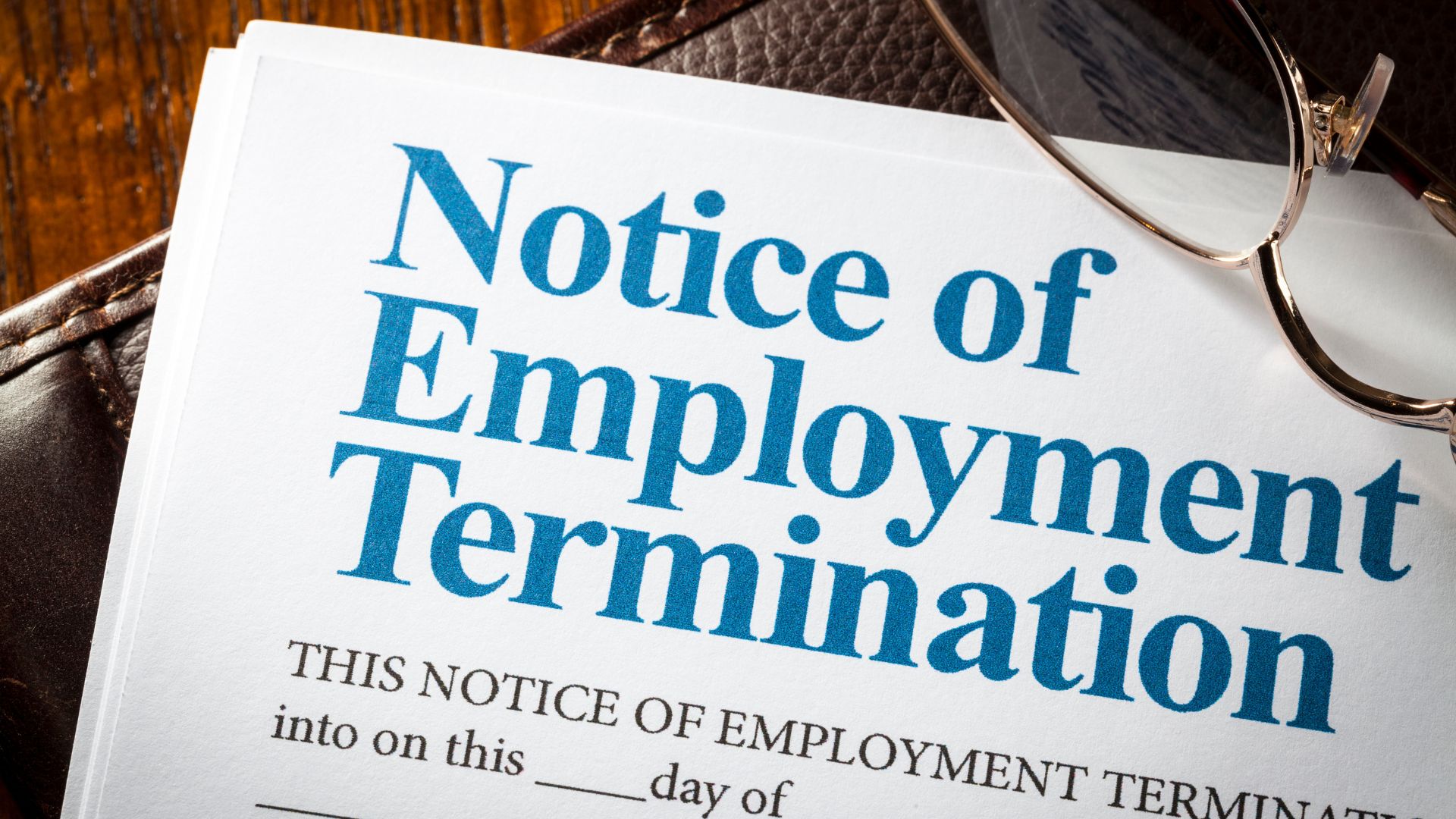 Protected Classes and Discrimination-Based Termination
Wrongful termination in LA frequently stems from discrimination against protected classes. California law prohibits employers from firing employees based on characteristics such as race, gender, age, disability, religion, sexual orientation, gender identity, pregnancy, and marital status.
Employees in professional sectors around Westwood, Beverly Hills, and Century City often report age-based terminations disguised as “restructuring” or “new direction” decisions. Similarly, workers in hospitality, entertainment, and retail may experience discriminatory termination tied to pregnancy or family responsibilities.
Discrimination does not need to be explicit to be unlawful. Subtle patterns, such as consistently terminating older workers or employees who take protected leave, can form the basis of a wrongful termination claim.
Retaliation is one of the most common grounds for wrongful termination lawsuits in Los Angeles. Employees are legally protected when they engage in activities such as reporting harassment, filing wage claims, requesting accommodations, or cooperating with workplace investigations.
Workers in creative and corporate environments often fear retaliation due to the close-knit nature of their industries. In areas like Hollywood, West Hollywood, and Culver City, employees may worry that asserting their rights could damage future job prospects. California law explicitly prohibits employers from punishing employees for asserting legal rights, even if the underlying complaint is ultimately unproven.
Wrongful termination does not always involve a direct firing. In many cases, employers create intolerable working conditions to force an employee to resign. This is known as constructive discharge.
Examples include sudden demotions, unreasonable workloads, harassment, schedule manipulation, or public humiliation. If a reasonable person would feel compelled to resign under similar circumstances, the resignation may be treated as a wrongful termination under the law.
Misclassification is another issue closely tied to wrongful termination in Los Angeles. Employers sometimes label workers as independent contractors to avoid providing benefits and legal protections. When misclassified workers assert their rights, termination often follows.
This issue is especially prevalent in technology, media, and gig-based industries concentrated in Downtown Los Angeles, Culver City, and West Hollywood. Misclassified workers may still be entitled to wrongful termination protections if they meet the legal definition of an employee.
Employees who prove wrongful termination may be entitled to significant remedies. These can include back pay, front pay, reinstatement, compensation for emotional distress, and punitive damages in cases involving malicious conduct.
In some situations, employers may also be required to change internal policies or undergo compliance monitoring. The availability and scope of remedies depend on the specific legal violations involved and the strength of the evidence.
 How Los Angeles Location Impacts Wrongful Termination Claims
Where you work in Los Angeles can influence how wrongful termination cases arise and are litigated. Employment cultures vary significantly between districts, affecting how disputes develop and resolve.
Employees in Downtown Los Angeles often work for large organizations with formal HR departments, while those in Beverly Grove, Fairfax, or Hollywood may work for smaller companies where policies are inconsistently applied. In both situations, wrongful termination can occur, but the evidence and strategy may differ.
Different industries present unique wrongful termination risks. Entertainment professionals may face retaliation for reporting harassment or safety concerns. Healthcare workers often encounter termination after requesting medical leave or accommodations. Technology and finance employees may be terminated after reporting compliance violations or data security concerns.
Understanding industry norms is critical when evaluating whether a termination was lawful or wrongful.
Wrongful termination claims are subject to strict deadlines. Missing a filing deadline can permanently bar a claim, regardless of its merits. Some claims must be filed with administrative agencies before a lawsuit can proceed, while others can be filed directly in court.
Because deadlines vary depending on the legal theory involved, employees should act promptly after termination to preserve their rights.
Employers often claim legitimate business reasons for termination, such as poor performance or layoffs. These defenses can be challenged by showing inconsistent explanations, discriminatory patterns, or evidence that similarly situated employees were treated differently.
Performance reviews, internal communications, and witness testimony often play a key role in rebutting employer defenses.
Employees who believe they were wrongfully terminated should take immediate steps to protect themselves. This includes preserving documents, avoiding retaliatory confrontations, and seeking legal guidance before signing severance agreements.
Many severance agreements contain waivers that can limit an employee’s ability to pursue claims. Reviewing these agreements carefully is essential.
Wrongful termination cases in LA are legally complex and fact-specific. Employers often have legal teams dedicated to minimizing liability, making it difficult for employees to navigate the process alone.
Understanding how California employment law applies to specific districts, industries, and circumstances can make a significant difference in the outcome of a claim.
Culver City wrongful termination in tech companies like Amazon Studios and Apple TV+. Learn essential employee rights, legal protections, and critical risks.

Mid-Wilshire wrongful termination—how executives and managers can fight back when corporate employers like Farmers Insurance violate California employee rights.

Wrongful termination for Beverly Hills executives: Learn key legal protections, types of claims, contract rights, risks, and how reputations are impacted.