
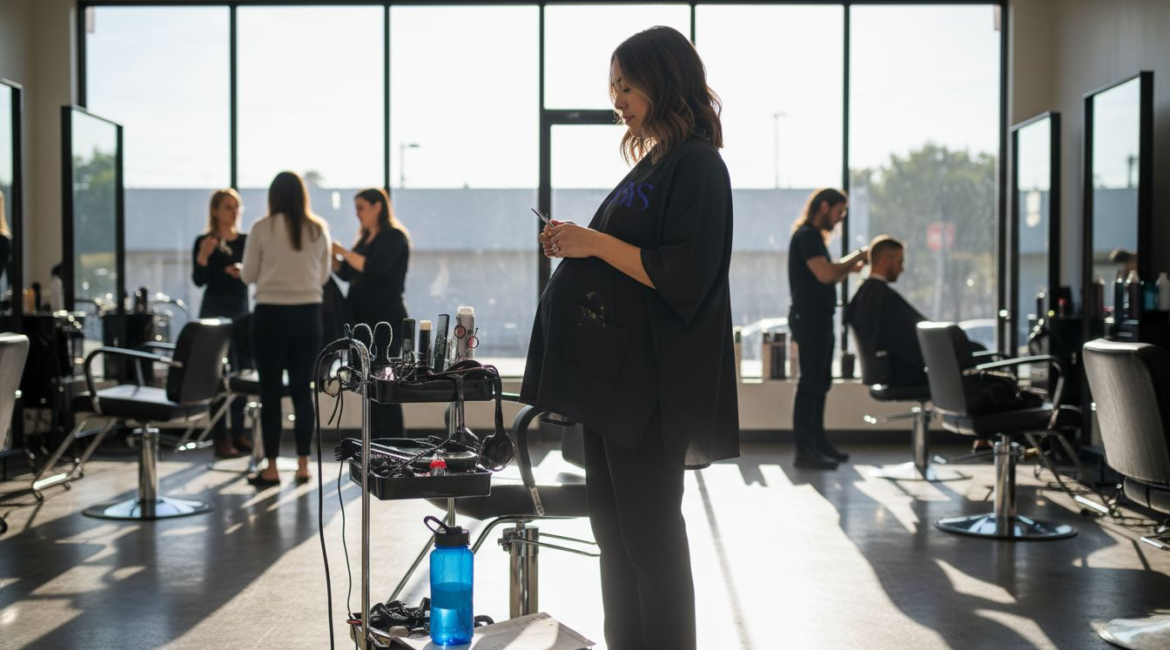
Pregnancy should never cost you your job, but in West Hollywood boutique fitness studios and salons, subtle discrimination is a daily reality for many expectant employees. From denied accommodations to hostile retaliation, these violations hide behind trendy facades. This article unpacks California pregnancy discrimination law, identifies illegal workplace practices, and equips you with actionable steps to protect your rights and career.
Table of Contents
- Understanding California Pregnancy Discrimination Law
- Common Pregnancy Discrimination Practices In Boutique Fitness And Salons
- Industry-Specific Challenges In Boutique Fitness And Salons
- Building A Legal Case For Pregnancy Discrimination
- Employer Responsibilities For Pregnancy Accommodations
- Legal Remedies And Resolution Processes
- Common Misconceptions About Pregnancy Discrimination
- Protect Your Rights With Expert Legal Support
- Frequently Asked Questions
Key Takeaways
| Point | Details |
|——-|———||
| Legal Coverage | California laws protect pregnant employees in workplaces with 5 or more employees, including small boutiques and salons. |
| Illegal Actions | Pregnancy discrimination includes denial of reasonable accommodations and retaliation after requesting protections. |
| Employer Duty | Employers must engage in a timely, good faith interactive process to identify feasible accommodations. |
| Documentation Matters | Detailed records of requests, responses, and adverse actions are critical for building strong legal claims. |
| Resolution Timeline | Legal remedies typically involve mediation or settlement, with cases resolving within 6 to 12 months. |
Understanding California Pregnancy Discrimination Law
California offers robust protections for pregnant employees working in boutique fitness studios and salons. The Fair Employment and Housing Act (FEHA) prohibits pregnancy discrimination for employers with 5 or more employees, covering most local fitness studios and salons despite their boutique size. The California Family Rights Act (CFRA) guarantees up to 12 weeks of unpaid leave for pregnancy-related health conditions, ensuring job protection during critical times.
Beyond leave protections, California mandates reasonable accommodations for pregnancy-related limitations. These accommodations might include modified duties, adjusted work schedules, additional breaks, or ergonomic supports. Understanding these legal frameworks empowers you to recognize when your rights are violated.
Many small business owners mistakenly believe they are exempt from these requirements. They are not. If your West Hollywood fitness studio or salon employs five or more workers, state pregnancy discrimination laws apply fully. Key protections include:
- FEHA coverage for employers with 5 or more employees
- CFRA leave for pregnancy-related health conditions
- Mandatory reasonable accommodation process
- Protection from retaliation after asserting rights
- Job reinstatement after protected leave
These laws exist because pregnancy discrimination remains widespread. You have the right to work safely and without penalty during pregnancy.
Common Pregnancy Discrimination Practices in Boutique Fitness and Salons
Pregnant employees in boutique fitness studios and salons face specific discriminatory practices that often go unchallenged. Denial of accommodations tops the list. When you request modified duties due to morning sickness or fatigue, your employer cannot simply refuse without engaging in dialogue about feasible alternatives.
Retaliation follows closely behind accommodation denials. Over a quarter of pregnancy discrimination complaints include allegations of retaliation, highlighting the risks pregnant employees face when asserting their rights. After requesting accommodations, you might notice sudden schedule cuts, assignment to physically demanding tasks, or hostile comments from management.
In boutique fitness environments, pregnant instructors may be assigned to more strenuous classes or pressured to maintain pre-pregnancy performance standards. Salon employees often face prolonged standing requirements and chemical exposure without modifications, despite documented health risks. Your employer cannot force you into physically unsafe conditions or penalize you for pregnancy-related limitations.
Document every instance of discriminatory treatment immediately. Note dates, times, witnesses, and exact language used. Save all emails, text messages, and written communications related to your pregnancy and accommodation requests.
Common discrimination patterns include:
- Refusing accommodation requests without discussion
- Assigning harsher physical tasks after pregnancy disclosure
- Reducing hours or eliminating preferred shifts
- Making derogatory comments about pregnancy or reliability
- Threatening termination if accommodations are requested
Pro Tip: Create a dedicated folder for all pregnancy-related workplace documentation, including medical notes, accommodation requests, employer responses, and witness contact information to strengthen potential legal claims.
Industry-Specific Challenges in Boutique Fitness and Salons
Boutique fitness studios and salons operate differently from larger corporations, creating unique pregnancy discrimination risks. These businesses typically lack formal HR departments, meaning accommodation decisions fall to owners or managers with limited legal knowledge. This informal structure often results in inconsistent policies and overlooked legal obligations.
The physical demands differ significantly between fitness studios and salons, but both pose challenges during pregnancy. Fitness instructors face expectations to demonstrate exercises, manage equipment, and maintain high-energy presentations. Salon professionals endure long periods of standing, repetitive motions, and exposure to chemical fumes from hair treatments and nail products.
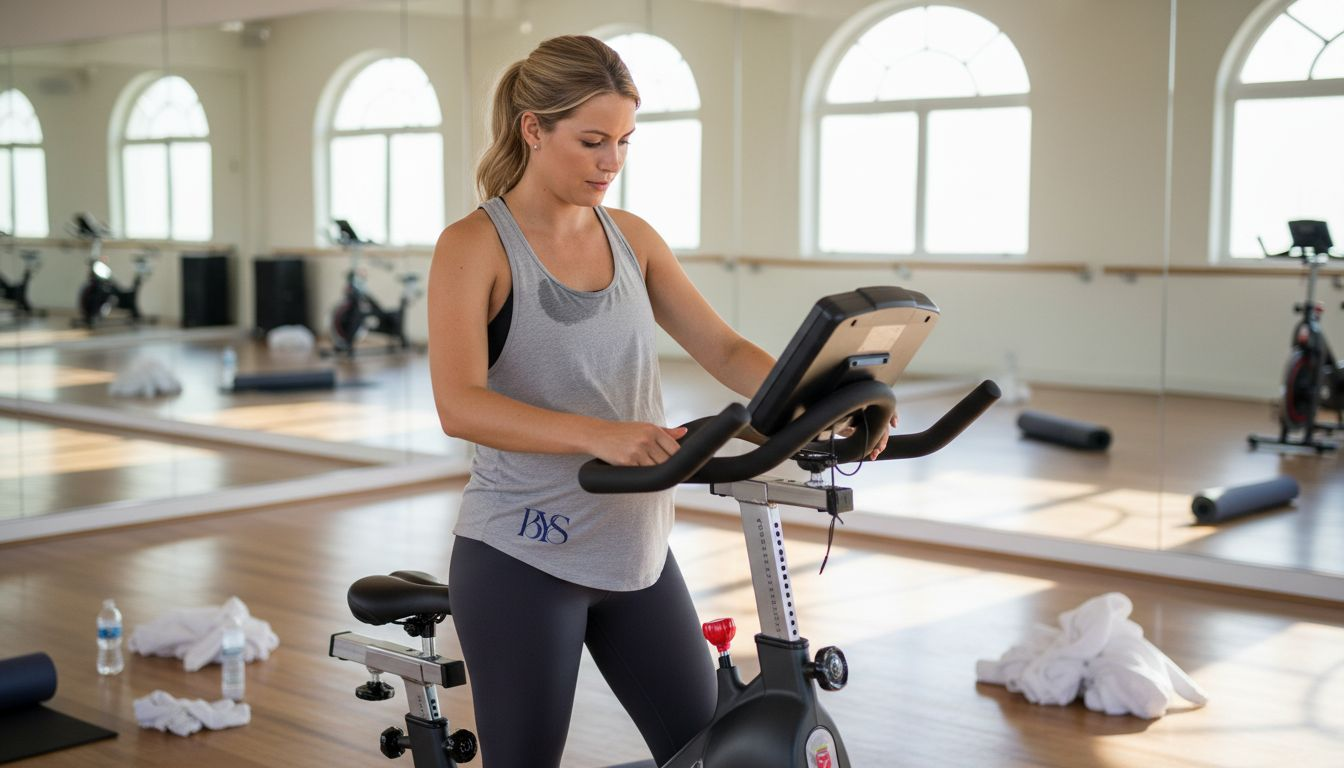
Small business size creates a false sense of exemption from employment laws. Many boutique owners genuinely believe their 8-person studio or 6-chair salon is too small for California pregnancy discrimination laws. This misconception leads to casual denial of legally required accommodations.
| Factor | Boutique Fitness Studios | Salons |
|---|---|---|
| HR Structure | Often informal or nonexistent | Typically owner-managed |
| Physical Demands | High-intensity activity, equipment use | Prolonged standing, chemical exposure |
| Accommodation Awareness | Generally low | Generally low |
| Common Violations | Denial of modified class assignments | Refusal of seating or ventilation requests |
These structural factors mean pregnant employees in boutique settings face greater vulnerability. Without formal policies or knowledgeable HR staff, your accommodation requests may be dismissed as inconvenient rather than legally required. Recognizing these industry-specific challenges helps you anticipate obstacles and prepare stronger documentation.
Building a Legal Case for Pregnancy Discrimination
Building a strong pregnancy discrimination case requires methodical documentation and strategic evidence gathering. California law requires you to prove that adverse employment actions were motivated by pregnancy. This means establishing clear connections between pregnancy disclosure, accommodation requests, and subsequent negative treatment.
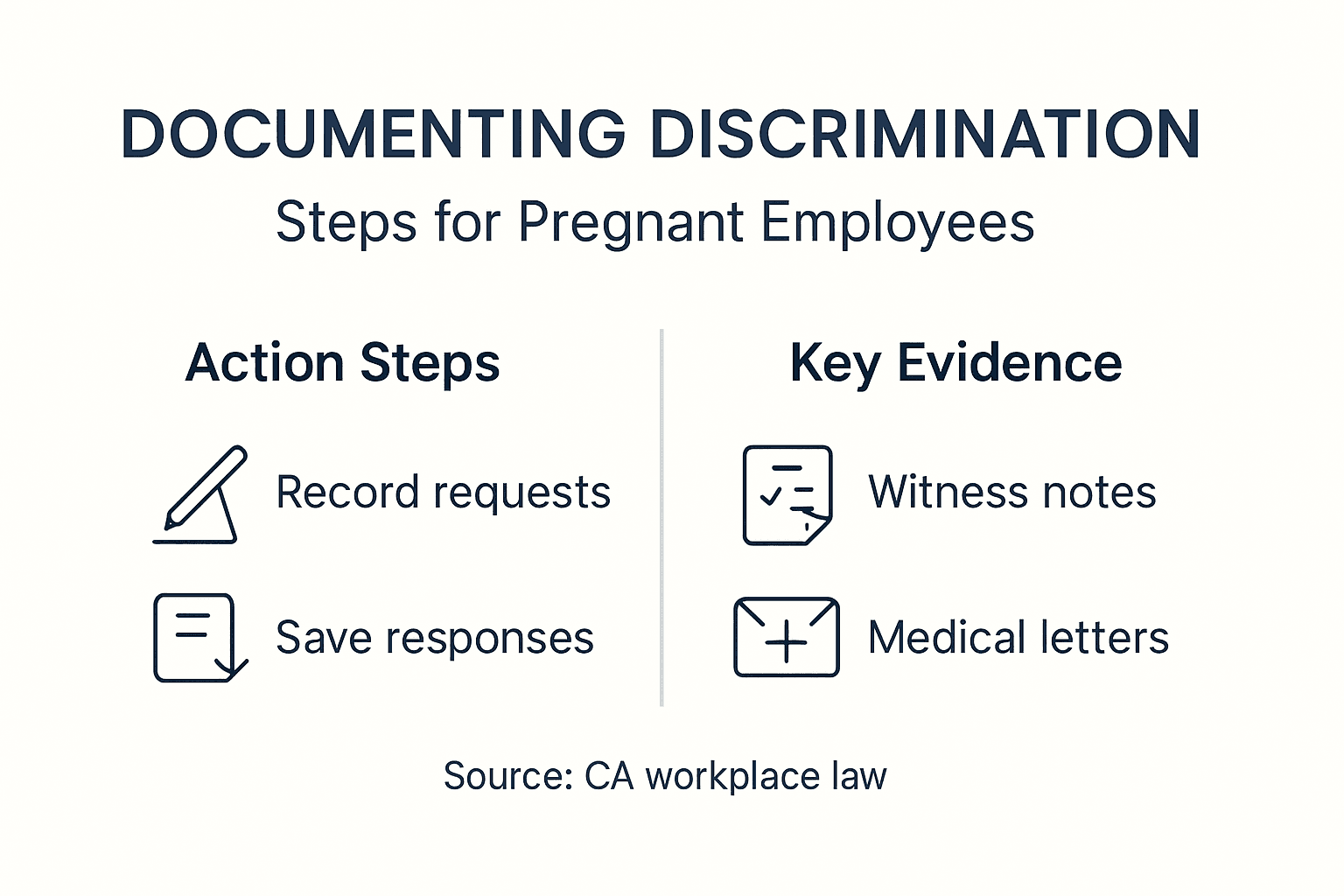
Start by documenting every accommodation request in writing. If your manager responds verbally, send a follow-up email summarizing the conversation. Note whether your employer engaged in meaningful dialogue or dismissed your needs outright. Track timing carefully because discriminatory actions often cluster immediately after pregnancy disclosure or accommodation requests.
Compare your treatment to non-pregnant coworkers performing similar roles. If your salon schedules sitting breaks for employees with back injuries but denies your pregnancy-related request, that discrepancy matters. If your fitness studio accommodates instructors recovering from sports injuries but refuses modifications for pregnancy symptoms, document that inconsistency.
Follow these steps to build your case:
- Recognize discrimination patterns in your treatment
- Document all requests, responses, and adverse actions with dates
- Consult an employment lawyer to evaluate your situation
- Engage in the interactive accommodation process formally
- Pursue DFEH complaints or litigation if violations continue
Every piece of evidence strengthens your position. Witness statements from coworkers who observed discriminatory treatment add credibility. Medical documentation supporting your accommodation needs establishes legitimacy. Screenshots of scheduling changes or performance reviews following pregnancy disclosure demonstrate retaliation patterns.
Pro Tip: Maintain personal copies of all documentation separate from work systems because employer access to email and files may be restricted after filing complaints or termination.
Employer Responsibilities for Pregnancy Accommodations
California law imposes specific accommodation responsibilities on employers, even small boutique fitness studios and salons. The interactive process is central to these obligations. When you request accommodations, your employer must engage in timely, good faith dialogue about feasible options. This is not optional or discretionary.
Timely responses matter. Employers cannot delay accommodation discussions for weeks while you work under unsafe or uncomfortable conditions. Prompt engagement demonstrates good faith and prevents undue hardship for pregnant employees. If your manager ignores your accommodation request or keeps postponing meetings to discuss options, that failure violates California law.
Reasonable accommodations vary based on workplace demands and individual needs. In fitness studios, accommodations might include teaching lower-intensity classes, demonstrating modifications instead of full exercises, or reducing the number of daily classes. For salon employees, reasonable accommodations often involve periodic sitting breaks, improved ventilation, rotating between stations, or temporary reassignment away from chemical-heavy services.
Your employer’s accommodation duties include:
- Responding promptly to accommodation requests
- Engaging in meaningful, good faith dialogue
- Exploring multiple feasible accommodation options
- Implementing agreed-upon accommodations consistently
- Documenting the interactive process thoroughly
Failure to fulfill these duties creates grounds for legal claims. Employers cannot claim undue hardship without first attempting reasonable accommodations. The accommodation process requires collaboration, not dismissal. If your employer refuses to discuss options or unilaterally declares accommodations impossible, they are likely violating your rights.
Documentation of the interactive process protects both parties. Request written confirmation of accommodation agreements and implementation timelines. If your employer fails to document discussions, create your own written summaries and send them for confirmation.
Legal Remedies and Resolution Processes
When pregnancy discrimination occurs, California law provides multiple legal remedies to make you whole. Most cases involving small boutique fitness studios and salons resolve through mediation or settlement rather than lengthy trials. This is partly because small businesses often lack resources to defend protracted litigation and partly because evidence in discrimination cases is typically compelling.
Timelines for resolution vary, but pregnancy discrimination cases generally take 6 to 12 months from initial complaint filing through final resolution. This includes DFEH investigation periods, mediation attempts, and potential settlement negotiations. Understanding realistic timelines helps you plan financially and emotionally for the legal process.
Possible remedies include reinstatement to your position, recovery of lost wages and benefits, compensation for emotional distress, and policy changes to prevent future violations. In cases involving particularly egregious conduct, punitive damages may also be available. Your specific remedies depend on the severity of discrimination and resulting harm.
Resolution avenues include:
- Settlement negotiations directly with your employer
- DFEH complaint and investigation process
- Mediation facilitated by neutral third parties
- Civil litigation in California courts if settlement fails
Mediation offers significant advantages in small business contexts. It is faster and less expensive than litigation, preserving resources for both parties. Mediated settlements often include non-monetary terms like policy improvements or training requirements that prevent future discrimination. Many boutique owners are more receptive to resolution once they understand their legal exposure.
Settlement amounts vary widely based on lost income, emotional harm, and case strength. Strong documentation significantly improves settlement outcomes because employers recognize the risks of proceeding to trial with clear evidence of violations.
Common Misconceptions about Pregnancy Discrimination
Pregnant employees and small business owners frequently misunderstand pregnancy discrimination law, leading to preventable violations. Correcting these misconceptions empowers you to recognize rights violations and take appropriate action.
One major misconception is that employers can force pregnant employees to take leave if reasonable accommodations would allow continued work. California law explicitly prohibits this practice. If modifications like adjusted duties or schedules enable you to keep working safely, your employer cannot compel you onto unpaid leave.
Another common belief is that small boutiques and salons are exempt from pregnancy discrimination laws. This is false. FEHA and CFRA apply to employers with 5 or more employees, covering the vast majority of West Hollywood fitness studios and salons. Business size does not eliminate legal obligations.
Many people assume pregnancy discrimination only means termination. In reality, discrimination includes any adverse action tied to pregnancy: denied accommodations, reduced hours, hostile treatment, unfavorable assignments, or retaliation after asserting rights. Subtle discrimination is still illegal discrimination.
The EEOC emphasizes that employers cannot force pregnant workers to take leave if reasonable accommodations would allow them to continue performing their jobs safely and effectively.
Key misconceptions versus legal reality:
- Misconception: Small boutiques are exempt from pregnancy laws. Reality: Employers with 5+ employees must comply fully.
- Misconception: Employers can require leave instead of accommodations. Reality: Forced leave is illegal when accommodations suffice.
- Misconception: Only firing counts as discrimination. Reality: Denied accommodations, retaliation, and hostile treatment are all illegal.
- Misconception: Pregnancy discrimination must be intentional. Reality: Impact matters more than intent under California law.
Understanding these legal realities helps you identify violations early and assert your rights confidently. Many employers respond appropriately once they understand their obligations, making early clarification valuable.
Protect Your Rights with Expert Legal Support
Navigating pregnancy discrimination claims in West Hollywood boutique fitness studios and salons requires specialized legal knowledge. California employment law is complex, and small business contexts present unique challenges. The Law Office of Brian Y. Shirazi, PC focuses exclusively on employment disputes, providing strategic representation for employees facing unlawful treatment.
Our firm serves West Hollywood, Beverly Grove, Fairfax District, and surrounding Los Angeles neighborhoods. We understand the specific dynamics of boutique workplaces and the subtle discrimination pregnant employees encounter. Early consultation improves case outcomes significantly because timing matters in employment law. Explore our employment law articles for additional insights, or connect with our experienced employment lawyer in Westwood to discuss your situation confidentially. Protecting your rights starts with informed action and qualified legal support.
Frequently Asked Questions
What signs indicate I am facing pregnancy discrimination in a boutique or salon?
Common signs include denial of accommodation requests without discussion, sudden schedule reductions after pregnancy disclosure, assignment to physically demanding tasks you previously avoided, hostile comments about pregnancy or reliability, and threats related to requesting modifications. Document any pattern of negative treatment following pregnancy announcement.
Can my employer force me to take unpaid leave during pregnancy?
No, California law prohibits employers from forcing pregnant employees onto leave if reasonable accommodations would allow continued work. Your employer must engage in the interactive process to identify feasible modifications before requiring leave.
How long does it usually take to resolve a pregnancy discrimination claim?
Most cases resolve within 6 to 12 months from initial complaint filing through settlement or judgment. This timeline includes DFEH investigation, mediation attempts, and potential litigation, though some cases settle faster through early negotiation.
Are small boutique fitness studios really covered by California pregnancy discrimination laws?
Yes, FEHA and CFRA apply to all employers with 5 or more employees. Most West Hollywood boutique fitness studios and salons meet this threshold and must comply fully with pregnancy discrimination laws regardless of their small size.
What should I do first if I suspect discrimination at work?
Document everything immediately, including dates, times, witnesses, and exact statements. Submit accommodation requests in writing and save all responses. Consult an employment lawyer promptly to evaluate your situation and protect your rights before discrimination patterns worsen.
Recommended
- Pregnancy Discrimination in LA | LA Employment Lawyer
- Pregnancy Discrimination in Beverly Grove Retail – Protecting Employee Rights – Law Office of Brian Y. Shirazi, PC
- LGBTQ+ Employment Discrimination in West Hollywood – Law Office of Brian Y. Shirazi, PC
- Sexual Harassment Risks for West Hollywood Workers