

Over half of American workers in hospitality and entertainment have witnessed or experienced sexual harassment, a reality that hits home for professionals in West Hollywood. With careers on the line and power imbalances at play, even subtle misconduct can leave lasting scars. This guide breaks down critical workplace protections, explains key legal terms, and offers practical steps for those determined to defend their rights in some of the most dynamic industries in California.
Table of Contents
- Defining Sexual Harassment In West Hollywood Workplaces
- Types Of Harassment In Entertainment And Hospitality
- California Laws Governing Workplace Harassment
- Filing A Sexual Harassment Claim: Step-By-Step Process
- Employee Rights And Employer Obligations Under State Law
Key Takeaways
| Point | Details |
|---|---|
| Understanding Sexual Harassment Types | Familiarize yourself with the two main types of sexual harassment: quid pro quo and hostile work environment, as defined under California law. |
| Documenting Incidents | Keep detailed records of any inappropriate behavior, including dates, times, and descriptions, to support any future claims. |
| Know Your Rights | Employees have the right to work in a harassment-free environment and can report misconduct without fear of retaliation. |
| Employer Responsibilities | Employers must implement comprehensive harassment prevention policies and provide mandatory training to all employees. |
Defining Sexual Harassment in West Hollywood Workplaces
Sexual harassment represents a serious workplace violation that undermines professional environments and employee dignity, particularly within the entertainment and hospitality industries prevalent in West Hollywood. Sexual harassment encompasses unwelcome sexual advances, inappropriate verbal or physical conduct of a sexual nature, and behaviors that create a hostile or intimidating work atmosphere.
In West Hollywood workplaces, sexual harassment can manifest through multiple forms, including explicit verbal comments, inappropriate touching, suggestive gestures, displaying sexually explicit materials, and creating uncomfortable work environments. The legal framework recognizes two primary categories of sexual harassment: quid pro quo harassment, where employment benefits are contingent upon sexual cooperation, and hostile work environment harassment, which involves persistent, pervasive conduct that creates an intimidating or offensive workplace.
California law provides robust protections for employees, recognizing that sexual harassment extends beyond physical interactions. Employment law guidelines establish that unwelcome sexual advances, requests for sexual favors, and other verbal or physical conduct of a sexual nature constitute harassment when submission becomes an implicit or explicit condition of employment, when rejecting such conduct affects professional opportunities, or when the behavior creates an objectively intimidating or offensive work environment.
Here’s a summary comparing the two main types of sexual harassment recognized under California law:
| Type of Harassment | Description | Typical Examples | Legal Impact |
|---|---|---|---|
| Quid Pro Quo | Employment benefits linked to sexual cooperation | Requesting favors for promotions | Employer strictly liable if supervisor is involved |
| Hostile Work Environment | Pervasive behaviors causing intimidation or offense | Repeated jokes, unwanted comments | May require a pattern or ongoing conduct |
Pro Tip for Workplace Protection: Document every inappropriate incident in detail, including dates, times, specific behaviors, and potential witnesses, which can serve as critical evidence if you decide to pursue a legal complaint against sexual harassment.
Types of Harassment in Entertainment and Hospitality
The entertainment and hospitality sectors in West Hollywood represent complex professional environments where multiple forms of harassment can emerge, extending far beyond traditional workplace misconduct. Sexual harassment in these industries often involves power dynamics unique to entertainment, where career advancement can be manipulated through inappropriate professional interactions.
Harassment manifests through several distinct categories. Verbal harassment includes unwelcome sexual comments, offensive jokes, repeated romantic overtures, and derogatory language targeting gender, sexual orientation, or personal characteristics. Workplace harassment guidelines emphasize that verbal abuse need not be explicitly sexual to constitute harassment, but can include any language creating an intimidating or hostile work environment.
Physical and visual harassment represent additional significant challenges in West Hollywood workplaces. These forms include inappropriate touching, suggestive gestures, displaying sexually explicit materials, blocking movement, standing too close, and making persistent unwanted physical contact. Particularly in film, television, and hospitality settings, where physical proximity is often part of professional interactions, these boundaries can become dangerously blurred.

Electronic harassment has emerged as a critical concern, involving inappropriate digital communications such as sexually suggestive texts, emails, social media messages, and unsolicited explicit images. This modern form of harassment can persist beyond workplace hours, creating a continuous sense of professional vulnerability for employees.
Pro Tip for Harassment Prevention: Establish clear personal boundaries, document every inappropriate interaction immediately, and utilize your workplace’s formal reporting mechanisms to protect yourself and create accountability.
California Laws Governing Workplace Harassment
California maintains some of the most comprehensive workplace harassment protections in the United States, establishing robust legal frameworks that safeguard employee rights across diverse professional environments. California Fair Employment and Housing Act represents the cornerstone of these protections, providing extensive legal mechanisms to combat workplace discrimination and harassment in all its forms.
The state’s legal framework extends far beyond federal standards, offering more nuanced and stringent protections. Workplace harassment is defined broadly, encompassing verbal, physical, and visual conduct that creates a hostile, intimidating, or offensive work environment. California law specifically recognizes harassment based on protected characteristics including gender, sexual orientation, gender identity, race, religion, age, disability, and national origin, providing employees with comprehensive legal recourse.
Under California regulations, employers with five or more employees are legally obligated to prevent harassment, implement clear reporting mechanisms, and conduct mandatory sexual harassment prevention training. The law establishes strict liability for employers, meaning companies can be held responsible for harassment committed by supervisors, and are required to take immediate and appropriate corrective action when harassment is reported. These provisions create a proactive approach to workplace safety, shifting responsibility from individual complaint resolution to systemic prevention.
Unique to California’s approach is the recognition of subtle and implicit forms of harassment, acknowledging that discriminatory behavior can be sophisticated and not always overtly explicit. The legal standard considers the cumulative impact of behaviors, understanding that harassment can be a pattern of conduct rather than isolated incidents. This comprehensive perspective allows for more nuanced legal interpretation and broader protections for employees.
The following table highlights how California workplace harassment laws differ from basic federal guidelines:
| Legal Aspect | California Law | Federal Law |
|---|---|---|
| Coverage Threshold | 5+ employees required | 15+ employees required |
| Protected Characteristics | Broad: gender, orientation, identity, etc. | Fewer protected categories |
| Training Obligations | Annual supervisor and employee training required | Not mandated |
| Approach to Evidence | Considers patterns and cumulative effects | Often focuses on single acts |
Practice areas related to employment law demonstrate the complexity of navigating these legal protections, emphasizing the importance of professional legal guidance in understanding and asserting workplace rights.
Pro Tip for Legal Protection: Maintain a detailed, contemporaneous record of any harassment incidents, including dates, specific behaviors, potential witnesses, and your emotional and professional impact, which can serve as critical evidence in potential legal proceedings.
Filing a Sexual Harassment Claim: Step-by-Step Process
Filing a sexual harassment claim represents a critical step in protecting workplace rights and seeking justice for inappropriate professional conduct. Navigating this process requires careful documentation, strategic planning, and an understanding of the legal mechanisms available to employees in West Hollywood and throughout California. Practice areas related to employment law underscore the complexity of these legal proceedings.
The initial step involves thoroughly documenting the harassment, creating a comprehensive record that includes specific dates, times, locations, detailed descriptions of incidents, and any potential witnesses. Documentation serves as the foundational evidence for your claim, transforming subjective experiences into objective, verifiable information. Employees should maintain a contemporaneous written log, preserving emails, text messages, voicemails, and other communications that substantiate the harassment claim.
After documentation, employees must follow their workplace’s established harassment reporting protocols. This typically involves filing a formal complaint with the Human Resources department, providing a detailed written account of the incidents. California law requires employers to investigate harassment claims promptly and thoroughly, with potential consequences for inadequate responses. Employees should request written confirmation of their complaint and maintain copies of all communication, creating an official record of their efforts to address the workplace misconduct.
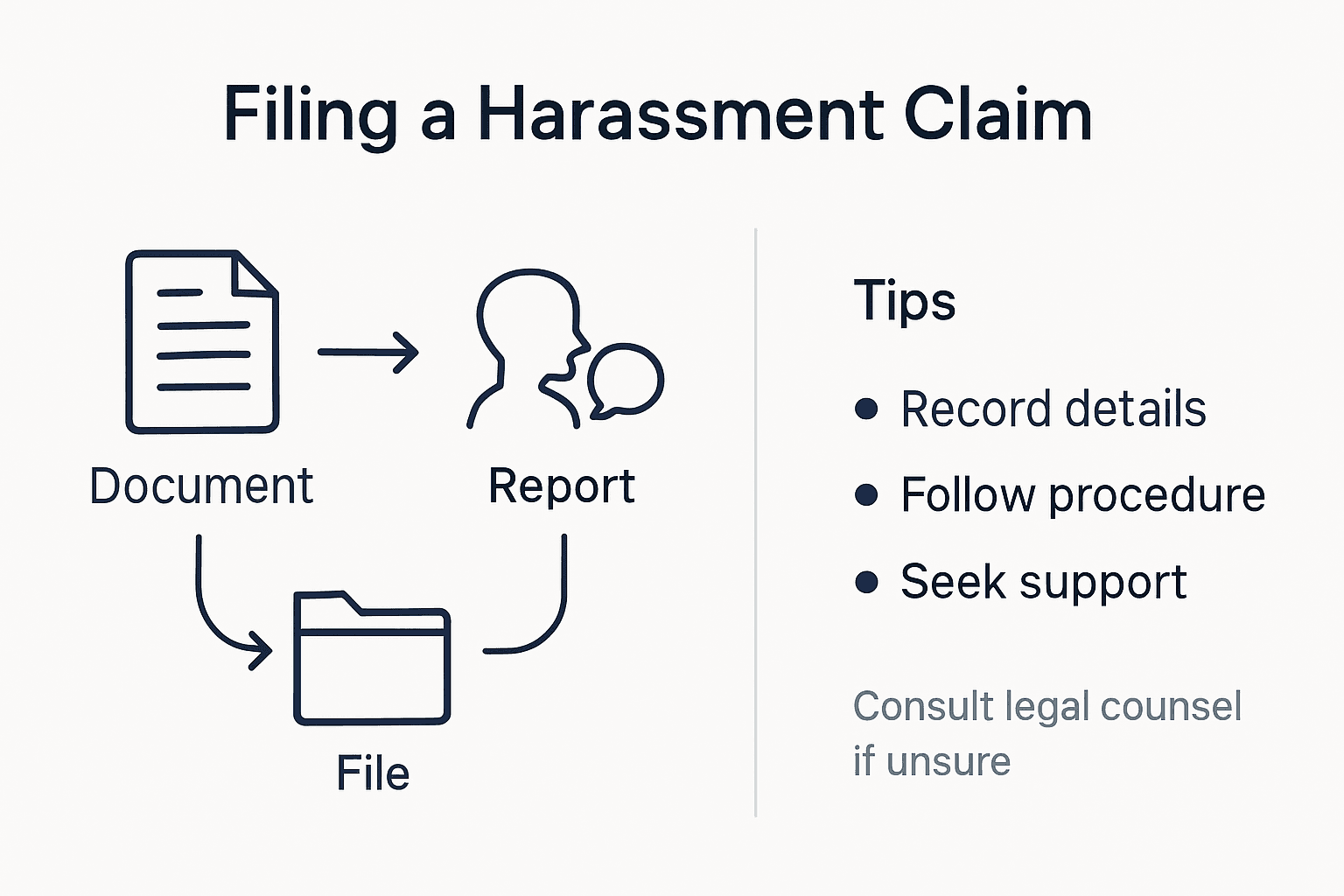
Should internal reporting fail to resolve the issue, employees have several additional options. They can file a complaint with the California Department of Fair Employment and Housing (DFEH) or the federal Equal Employment Opportunity Commission (EEOC). These agencies investigate workplace harassment claims, potentially providing mediation or issuing a right-to-sue letter that enables legal action. Consulting with an employment law attorney can help employees understand their specific rights and determine the most strategic approach to addressing workplace harassment.
Pro Tip for Claim Documentation: Create a secure, chronological digital and physical file containing all harassment-related evidence, ensuring you have a comprehensive and organized record that can withstand legal scrutiny.
Employee Rights and Employer Obligations Under State Law
California’s legal framework establishes a comprehensive set of protections that delineate clear responsibilities for both employees and employers in addressing workplace harassment. Workplace harassment guidelines emphasize the fundamental right of employees to work in an environment free from discrimination and inappropriate conduct, while simultaneously imposing strict accountability measures on employers.
Employee rights under California law are extensive and multifaceted. Employees are legally protected from sexual harassment, gender discrimination, and retaliatory actions when reporting misconduct. This includes the right to file internal complaints, refuse unwelcome sexual advances, document inappropriate behaviors, and seek legal recourse without fear of professional repercussions. The law explicitly prohibits employers from taking adverse employment actions such as termination, demotion, or reduction of work hours in response to harassment complaints.
Employers bear significant legal obligations in preventing and addressing workplace harassment. They must establish comprehensive sexual harassment prevention policies, conduct mandatory annual training for supervisors and employees, create clear reporting mechanisms, and promptly investigate all harassment claims. The legal standard requires employers to take immediate and appropriate corrective action when harassment is reported, with potential liability for failing to address systemic workplace misconduct. These obligations extend to all workplaces with five or more employees, creating a proactive approach to workplace safety.
The legal framework also recognizes the nuanced nature of workplace power dynamics, particularly in industries like entertainment where professional opportunities can be manipulated through inappropriate interactions. California law provides protection beyond traditional workplace settings, acknowledging that harassment can manifest through subtle professional pressures, implicit coercion, and complex interpersonal relationships that extend beyond direct physical or verbal misconduct.
Pro Tip for Workplace Protection: Familiarize yourself thoroughly with your company’s harassment prevention policies, document any potential violations comprehensively, and understand your legal rights before confronting workplace misconduct.
Protect Your Rights Against Sexual Harassment in West Hollywood Workplaces
Sexual harassment in workplaces can cause deep emotional and professional harm. When unwelcome advances, hostile environments, or retaliatory actions disrupt your career, you deserve strong legal support to hold employers accountable. Terms like quid pro quo harassment and hostile work environment are not just legal jargon but real challenges that affect your workplace dignity and future.
At Shirazi Law Office, we understand the complexities of California employment law and specialize in defending employees facing sexual harassment and hostile work conditions in West Hollywood and throughout Los Angeles. Our dedicated team offers personalized guidance on filing claims, documenting incidents, and enforcing your rights under comprehensive state laws. Don’t let fear or confusion delay your next step. Learn more about our employment law services, explore our practice areas, and reach out to protect your workplace rights today at Shirazi Law Office. Taking action now can preserve your professional reputation and secure the justice you deserve.
Frequently Asked Questions
What is considered sexual harassment in West Hollywood workplaces?
Sexual harassment in West Hollywood workplaces includes unwelcome sexual advances, inappropriate verbal or physical conduct, and behaviors that create a hostile work environment. This can manifest as explicit comments, inappropriate touching, or suggestive gestures, among other forms.
What are the two main types of sexual harassment recognized under California law?
The two main types of sexual harassment are quid pro quo harassment, where employment benefits depend on sexual cooperation, and hostile work environment harassment, which involves persistent behaviors that make the work environment intimidating or offensive.
What are my rights if I experience sexual harassment at work?
Employees have the right to work in an environment free from sexual harassment. This includes the right to report harassment without retaliation, document incidents, and seek legal recourse if necessary. Employers are obligated to take complaints seriously and investigate them promptly.
How do I file a sexual harassment claim in California?
To file a sexual harassment claim, start by documenting the harassment in detail, then report it through your workplace’s established procedures. If the issue isn’t resolved, you can file a complaint with state or federal agencies like the California Department of Fair Employment and Housing (DFEH) or the Equal Employment Opportunity Commission (EEOC).





[…] Sexual Harassment Claims in West Hollywood Workplaces […]
[…] Sexual Harassment Claims in West Hollywood Workplaces […]
[…] Sexual Harassment Claims in West Hollywood Workplaces […]
[…] Sexual Harassment Claims in West Hollywood Workplaces […]