

Over half of American employees admit to feeling unprepared when legal issues arise at work. Navigating legal challenges in the workplace is intimidating, and missing just one key document can drastically affect your outcome. Streamlining your communication and document management empowers you to work effectively with legal counsel, ultimately strengthening your position and protecting your interests throughout every step.
Table of Contents
- Step 1: Gather and Organize Relevant Documentation
- Step 2: Initiate Confidential Contact with Legal Counsel
- Step 3: Describe Your Situation Clearly and Concisely
- Step 4: Respond Promptly and Provide Requested Details
- Step 5: Review Advice and Confirm Next Steps
Quick Summary
| Key Insight | Explanation |
|---|---|
| 1. Gather Documentation | Collect and organize all relevant documents to assist your attorney in understanding your case. |
| 2. Communicate Securely | Use secure channels for communication, ensuring confidentiality and privacy are maintained throughout the process. |
| 3. Clear Narrative Required | Present a concise, factual summary of your situation to help your legal counsel grasp key issues quickly. |
| 4. Respond Promptly | Address requests from your attorney within 24 to 48 hours to demonstrate professionalism and commitment to your case. |
| 5. Review Legal Advice | Carefully analyze and understand the guidance provided by your attorney to effectively implement next steps. |
Step 1: Gather and Organize Relevant Documentation
When communicating with legal counsel, your documentation is your strongest ally. Collecting and organizing evidence meticulously can make or break your case, providing your attorney with the precise information needed to understand your situation thoroughly.
Start by creating a comprehensive digital folder that includes all potentially relevant documents. This should encompass emails, performance reviews, incident reports, text messages, workplace communications, and any written records that might support your narrative. Pay special attention to documenting communication about potentially privileged legal matters, ensuring you follow proper protocol for attorney client privilege.
While gathering documents, maintain a chronological log that helps track the sequence of events. This organizational approach not only helps your legal counsel quickly understand the timeline but also demonstrates your professionalism and attention to detail. Consider scanning physical documents and creating digital backups to prevent potential loss. Remember to handle sensitive information with discretion and only share documents directly with your legal representative.
Pro tip: Create a dedicated email address and secure cloud storage specifically for legal communication to maintain clear boundaries and protect the confidentiality of your documentation.
Here’s a summary of the types of documentation that most effectively support legal counsel:
| Document Type | Typical Use Case | Confidentiality Risk |
|---|---|---|
| Emails | Establish timelines, intent | Moderate |
| Performance Reviews | Document work history and issues | Low |
| Incident Reports | Provide evidence of key events | High |
| Text Messages | Show informal communications | Moderate |
| Workplace Memos | Record official directives | Low |
| Written Records | Capture agreements or disputes | High |
Step 2: Initiate Confidential Contact with Legal Counsel
Reaching out to legal counsel requires strategic communication and careful preparation to protect your rights and maintain confidentiality. Your initial contact sets the foundation for potential legal representation and must be handled with precision and professionalism.
When initiating contact, begin by drafting a clear and concise email directly to the attorney or legal representative. Ensure all communications are marked privileged and confidential and limit the distribution to only those individuals absolutely necessary for understanding your situation. Include a brief but comprehensive overview of your legal concern without sharing excessive details that might compromise your position.
Choose a secure communication method that protects your privacy. Use a personal email address that is not connected to your current workplace, and consider scheduling an initial consultation through the law office’s official channels. Be prepared to provide key documentation and be ready to answer specific questions about your case. Maintain a professional tone and focus on presenting facts objectively.
Pro tip: Always request confirmation of receipt and establish clear communication protocols with your legal counsel to ensure ongoing confidentiality and effective information exchange.
For clarity, compare these secure communication methods for contacting legal counsel:
| Method | Security Level | Recommended Use |
|---|---|---|
| Personal Email | Moderate | Initial outreach, document sharing |
| Secure Cloud Storage | High | Storing and exchanging files |
| Phone Calls | Variable | Discussing sensitive topics live |
| Law Office Portals | Very High | Uploading confidential documents |
Step 3: Describe Your Situation Clearly and Concisely
Communicating effectively with legal counsel requires distilling complex workplace experiences into a focused, factual narrative. Your goal is to provide a clear and precise overview that helps your attorney understand the core issues quickly and accurately.

Begin by crafting a communication that separates legal questions from routine workplace information, ensuring your legal counsel can immediately identify the key concerns. Start with a chronological summary of events, focusing on specific incidents, dates, and relevant interactions. Use objective language that avoids emotional commentary or speculation. Include only the most pertinent details that directly relate to your legal situation, avoiding unnecessary background information that might dilute your core message.
Organize your narrative with a logical structure prioritizing the most critical information. Use clear and direct language, presenting facts without embellishment. Anticipate potential questions your attorney might have and proactively address them in your initial description. Include any supporting documentation or evidence that can substantiate your claims, but be mindful of maintaining confidentiality and only sharing information through secure channels.
Pro tip: Draft your initial description, then set it aside for a few hours and review it with fresh eyes to ensure clarity, objectivity, and conciseness before sending.
Step 4: Respond Promptly and Provide Requested Details
Timely and comprehensive communication with your legal counsel can significantly impact the progression and success of your case. Your responsiveness demonstrates professionalism and commitment to resolving your legal matter efficiently.
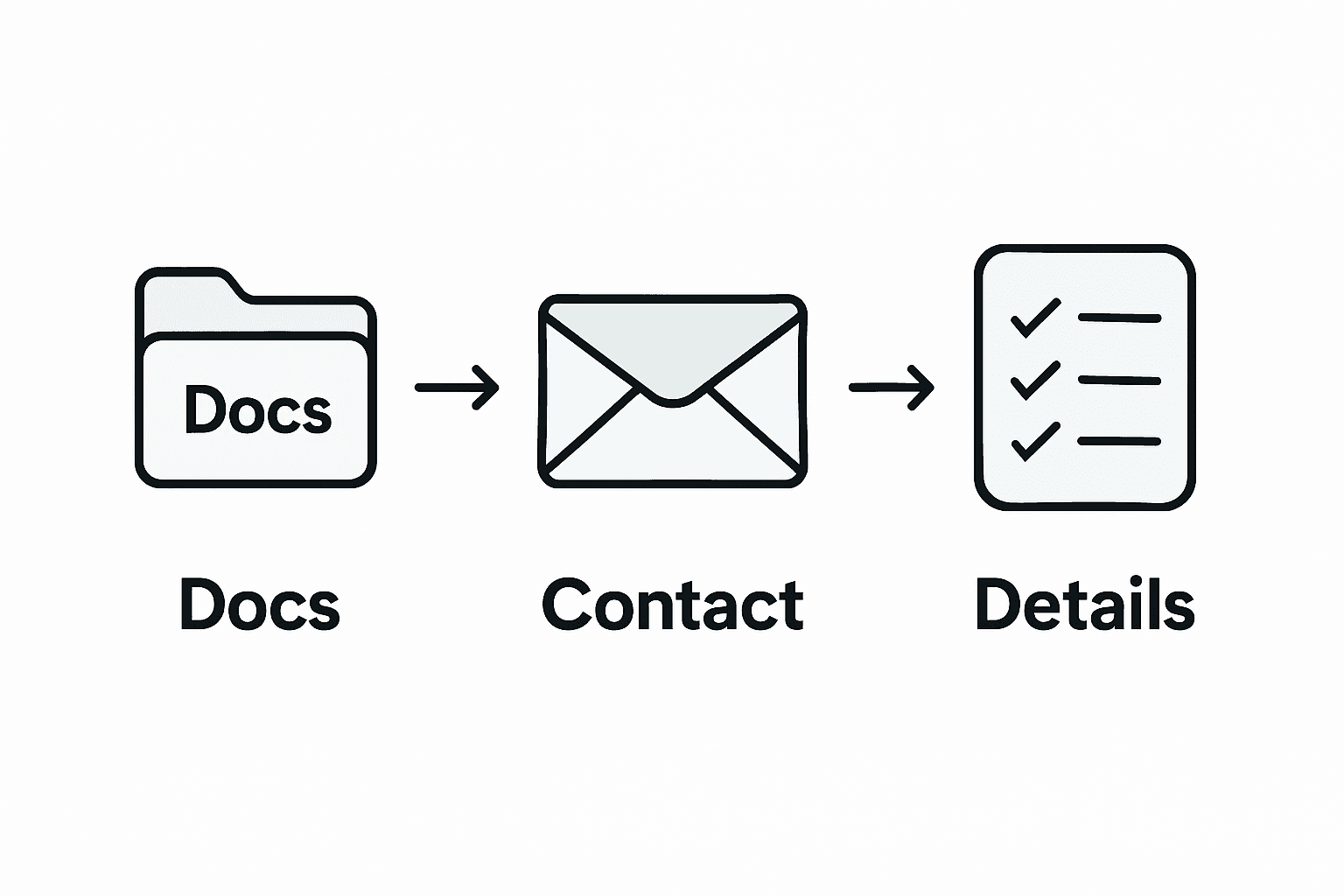
Promptly providing all requested information while maintaining confidentiality is crucial in preserving attorney-client privilege and supporting your legal strategy. When your attorney requests additional documentation or information, prioritize these requests and respond within 24 to 48 hours. Create a dedicated system for tracking and fulfilling these requests to ensure no details slip through the cracks.
Establish clear communication expectations with your legal counsel from the beginning. Determine their preferred communication method whether it is email, secure document sharing platforms, or scheduled phone calls. Be thorough in your responses, providing context and supplementary evidence that supports your narrative. Always verify the security of your communication channels and follow your attorney’s guidance on information sharing to protect sensitive details.
Pro tip: Set up email filters and notifications specifically for legal correspondence to ensure you never miss an important communication from your attorney.
Step 5: Review Advice and Confirm Next Steps
After receiving legal counsel, your ability to comprehend and implement their strategic recommendations becomes crucial to the success of your case. Understanding and acting on your attorney’s guidance requires careful attention and strategic planning.
Carefully review the legal advice provided, ensuring you understand each recommended action while maintaining the confidentiality of the communication. Schedule a follow-up conversation with your attorney to discuss any points that seem unclear or require additional clarification. Take detailed notes during this review process, creating a structured action plan that outlines specific steps, potential challenges, and your proposed approach to implementation.
During your review, ask your attorney about potential risks, alternative strategies, and the potential outcomes of each recommended action. Create a timeline for executing these recommendations and establish clear communication checkpoints to keep your legal strategy aligned and responsive. Be prepared to provide additional context or information that might help refine the proposed approach, demonstrating your active engagement in resolving your legal matter.
Pro tip: Create a dedicated digital or physical folder to store all communication and notes from your attorney, ensuring you can quickly reference and track the progression of your legal strategy.
Communicate Effectively with Legal Counsel and Protect Your Rights
Navigating the complexities of communication with legal counsel can feel overwhelming. The challenge lies in organizing your documentation carefully, maintaining confidentiality, and presenting your situation clearly while protecting your rights. If you find yourself struggling with these key steps like gathering evidence, ensuring privileged communication, or understanding legal advice, you are not alone.
Take control of your employment situation today by partnering with an experienced Employment Law Firm. At Shirazi Law Office, we are dedicated to guiding you through every step so you can communicate confidently and securely with your attorney. Don’t wait until critical deadlines approach or confusion increases. Visit our website now at https://shirazilawoffice.com and get expert help to safeguard your workplace rights.
Frequently Asked Questions
How can I gather relevant documentation before contacting legal counsel?
To gather relevant documentation, create a digital folder that includes emails, performance reviews, incident reports, and any other records that support your case. Organize these documents chronologically to provide clarity and context for your legal counsel.
What should I include in my initial contact with legal counsel?
In your initial contact, include a brief overview of your legal concerns while marking the communication as privileged and confidential. Limit the distribution of this email to only those necessary for understanding your situation, and be ready to provide key documentation if requested.
How can I effectively describe my situation to my attorney?
To effectively describe your situation, create a clear, concise narrative that outlines key events and relevant interactions in chronological order. Use objective language and focus on factual details related to your legal issue, which will help your attorney grasp the core issues quickly.
Why is prompt communication important when working with legal counsel?
Prompt communication is crucial as it reflects your professionalism and helps keep your legal case progressing efficiently. Aim to respond to your attorney’s requests for information within 24 to 48 hours, ensuring you maintain confidentiality and support your legal strategy.
What should I do after receiving advice from my attorney?
After receiving advice, carefully review the recommendations and schedule a follow-up conversation to clarify any unclear points. Create a structured action plan to execute the recommended steps, complete with timelines and communication checkpoints, to effectively pursue your legal matter.
Recommended