

Long nights behind the bar or on the dance floor can become unbearable when toxic behavior takes over the workplace. For service industry employees in West Hollywood, understanding what truly qualifies as a hostile work environment is key to safeguarding your rights. Legal protections go much deeper than just uncomfortable moments, offering real recourse against ongoing discrimination, harassment, and abuse. This guide sheds light on the standards, laws, and practical steps that empower nightclub and bar staff to recognize and challenge unlawful treatment.
Table of Contents
- Defining Hostile Work Environments In Nightlife
- Types Of Harassment And Discrimination
- California Laws Governing Workplace Conduct
- Employee Rights And Employer Obligations
- How To Document And Report Problems
- Unique Risks Nightlife Workers Face
Key Takeaways
| Point | Details |
|---|---|
| Understanding Hostile Work Environments | A hostile work environment in nightlife occurs when unwelcome conduct based on protected characteristics is severe enough to alter employment conditions. |
| Types of Harassment | Key types include verbal, sexual, and visual harassment, which can undermine professional dignity in nightlife settings. |
| Legal Protections in California | California’s Fair Employment and Housing Act (FEHA) mandates protections against discrimination based on various characteristics and outlines employer obligations. |
| Documenting Incidents | Employees should meticulously document harassment incidents to support potential legal claims and ensure a timely response to issues. |
Defining Hostile Work Environments in Nightlife
In West Hollywood’s vibrant nightlife scene, hostile work environments pose significant challenges for service industry employees. The legal definition extends far beyond simple workplace discomfort, encompassing systematic patterns of discriminatory behavior that fundamentally undermine an employee’s professional dignity and safety.
A hostile work environment in nightlife settings legally occurs when unwelcome conduct based on protected characteristics becomes so severe or pervasive that it alters employment conditions. Workplace harassment standards establish clear guidelines for what constitutes unlawful behavior. These standards apply specifically to nightclub, bar, and entertainment venues where power dynamics and interpersonal interactions can create complex workplace challenges.
Key characteristics of a hostile work environment in West Hollywood’s nightlife sector include:
- Repeated offensive comments or jokes targeting protected characteristics
- Discriminatory treatment based on race, gender, sexual orientation, or disability
- Persistent sexual advances or inappropriate physical conduct
- Verbal threats or intimidation
- Systematic exclusion from professional opportunities
- Visual displays of offensive materials
The legal threshold requires demonstrating that a reasonable person would find the environment objectively abusive. This means the behavior must go beyond isolated incidents or personal sensitivities. Discriminatory conduct standards emphasize that the harassment must be sufficiently serious to create a work environment that a reasonable employee would consider intimidating or hostile.
Pro tip: Document every incident of harassment meticulously, including dates, times, witnesses, and specific details to strengthen potential legal claims.
Types of Harassment and Discrimination
In West Hollywood’s dynamic nightlife industry, understanding the nuanced landscape of workplace harassment is critical for protecting employee rights. Workplace harassment standards define multiple complex forms of discriminatory behavior that can create toxic work environments in bars, nightclubs, and entertainment venues.
The primary types of harassment and discrimination in West Hollywood’s service industry include:
-
Verbal Harassment
- Offensive jokes or comments
- Derogatory slurs
- Inappropriate sexual comments
- Racist or discriminatory language
-
Sexual Harassment
- Unwelcome sexual advances
- Persistent romantic propositions
- Inappropriate physical touching
- Quid pro quo sexual demands
-
Visual Harassment
- Offensive images or gestures
- Displaying discriminatory materials
- Inappropriate digital communications
Discriminatory practices extend beyond immediate workplace interactions. Illegal workplace conduct can manifest through systematic exclusion, unequal professional opportunities, and retaliatory actions against employees who challenge inappropriate behaviors. These actions are particularly prevalent in power-dynamic-driven environments like nightlife venues, where management hierarchies can enable abusive conduct.
Legal protections cover harassment based on protected characteristics including race, gender, sexual orientation, age, religion, and disability. West Hollywood’s diverse workforce demands heightened awareness of these nuanced discriminatory practices that can undermine professional dignity and create hostile work environments.

Pro tip: Keep a confidential, dated log of all harassment incidents, including specific details, witnesses, and context to support potential legal claims.
California Laws Governing Workplace Conduct
In West Hollywood’s diverse service industry, understanding workplace protection laws is crucial for employees and employers alike. California workplace discrimination regulations provide comprehensive legal frameworks that safeguard workers from discriminatory practices and hostile work environments.
Key legal protections under California’s Fair Employment and Housing Act (FEHA) cover multiple dimensions of workplace conduct:
-
Protected Characteristics
- Race and ethnicity
- Gender and gender identity
- Sexual orientation
- Age
- Disability status
- Religious affiliation
- National origin
-
Employer Obligations
- Prevent workplace harassment
- Provide sexual harassment training
- Develop effective complaint procedures
- Ensure reasonable workplace accommodations
Workplace conduct regulations mandate that employers with five or more employees implement robust anti-discrimination policies. These regulations require comprehensive written guidelines, confidential complaint mechanisms, and impartial investigation processes to address potential workplace misconduct.
The legal standard emphasizes prevention and prompt correction of discriminatory behaviors. California law specifically protects employees, applicants, interns, volunteers, and contractors, ensuring a broad spectrum of workers can seek recourse against unfair treatment in professional settings.
Pro tip: Request a copy of your employer’s anti-harassment policy and familiarize yourself with the official complaint procedures to protect your workplace rights.
Employee Rights and Employer Obligations
In West Hollywood’s competitive service industry, understanding workplace rights is crucial for maintaining a safe and equitable professional environment. California workplace civil rights establish comprehensive protections that empower employees and mandate specific responsibilities for employers.
Employees are entitled to several fundamental workplace rights:
-
Protection from Discrimination
- Equal employment opportunities
- Fair treatment regardless of protected characteristics
- Freedom from harassment
- Reasonable workplace accommodations
-
Reporting and Remedy Rights
- File confidential harassment complaints
- Request workplace investigations
- Seek legal recourse for violations
- Protection from retaliatory actions
Corresponding employer obligations include mandatory responsibilities designed to prevent workplace misconduct. Workplace notification requirements compel employers to proactively communicate worker rights, including annual training, multilingual policy information, and clear complaint mechanisms.
California law specifically requires employers to implement robust systems that prevent discrimination, investigate complaints thoroughly, and maintain a professional environment free from hostile behaviors. These legal frameworks apply to businesses of all sizes, with more comprehensive requirements for organizations with five or more employees.
Here’s a summary of the main responsibilities for both employees and employers in preventing hostile work environments:
| Role | Key Workplace Responsibility | Why It Matters |
|---|---|---|
| Employee | Report issues promptly | Enables fast response and documentation |
| Employee | Protect evidence and maintain records | Supports potential legal proceedings |
| Employer | Provide anti-harassment training | Reduces risk and educates staff |
| Employer | Address complaints through investigations | Builds trust and ensures resolution |
| Employer | Implement clear reporting policies | Encourages open communication channels |
Pro tip: Maintain a written record of all workplace interactions and potential harassment incidents to support potential legal claims.
How to Document and Report Problems
In West Hollywood’s service industry, effectively documenting workplace issues is crucial for protecting employee rights and establishing a clear record of potential harassment or discrimination. Workplace discrimination reporting requires meticulous attention to detail and strategic documentation.
Critical steps for documenting workplace problems include:
-
Evidence Collection
- Save all relevant emails, texts, and messages
- Record dates and times of specific incidents
- Note specific language and context
- Identify potential witnesses
- Preserve digital and physical evidence
-
Reporting Procedures
- Follow internal company complaint processes
- Submit written documentation
- Request written acknowledgment of complaints
- Maintain confidential personal copies
- Consider legal consultation
Discrimination complaint guidelines establish strict timelines for reporting, typically requiring employees to file within 180-300 days of the last discriminatory incident. This timeframe underscores the importance of prompt and thorough documentation.
Employees should create a comprehensive, chronological narrative that objectively describes workplace incidents, including specific details about what occurred, who was involved, and how the behavior impacted their professional environment. Contemporaneous documentation carries significant weight in legal and administrative proceedings.
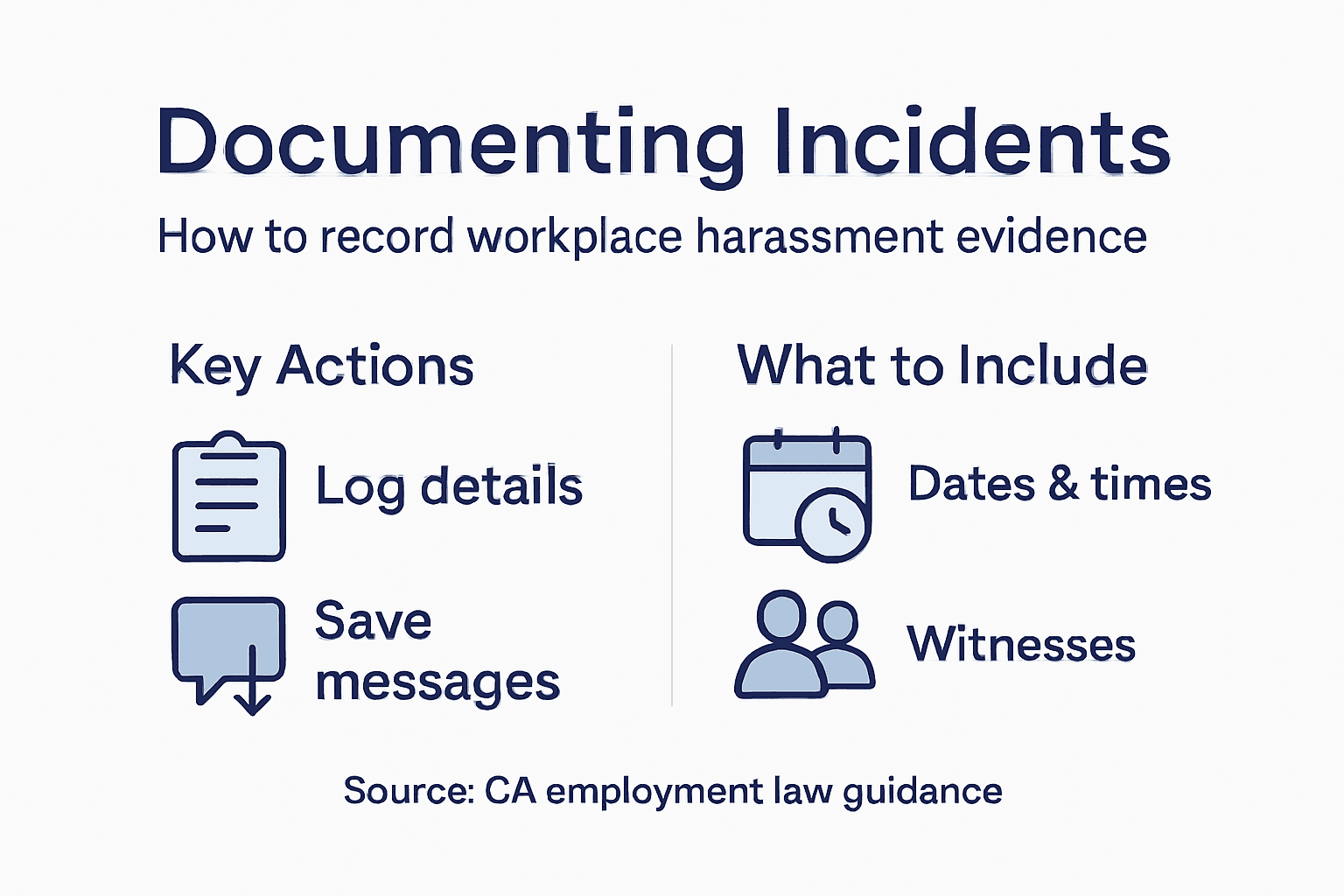
Pro tip: Create a secure, password-protected digital folder to store all workplace documentation, ensuring evidence remains confidential and protected.
Unique Risks Nightlife Workers Face
Nightlife workers in West Hollywood encounter distinct workplace challenges that extend far beyond typical employment risks. Workplace violence prevention highlights the complex environment these professionals navigate daily, where personal safety and professional dignity are constantly at stake.
The primary unique risks for nightlife workers include:
-
Physical Safety Risks
- Late-night shift vulnerabilities
- Cash handling exposures
- Interactions with intoxicated patrons
- Potential for physical confrontations
- Limited security infrastructure
-
Professional Vulnerability Factors
- Power dynamic imbalances
- Higher sexual harassment rates
- Limited reporting mechanisms
- Fear of professional retaliation
- Economic dependency
Entertainment industry harassment risks reveal profound systemic challenges unique to nightlife environments. These settings often involve complex social interactions, fluid professional boundaries, and unwritten workplace norms that can enable misconduct.
The nightlife industry’s culture frequently normalizes inappropriate behaviors, creating environments where workers might feel pressured to tolerate harassment to maintain employment. This dynamic is particularly pronounced in West Hollywood’s competitive entertainment landscape, where professional opportunities can seem contingent on maintaining certain social relationships.
The table below highlights differences between standard workplace risks and unique hazards faced by nightlife workers in West Hollywood:
| Risk Type | Daytime Industries | Nightlife Venues (West Hollywood) |
|---|---|---|
| Physical Safety | Standard security measures | Greater exposure to violence late at night |
| Reporting Options | Established HR channels | Often informal or limited processes |
| Culture | Professional boundaries enforced | Blurred boundaries, social pressure common |
| Power Dynamics | Clear management hierarchy | Fluid authority, frequent guest interactions |
Pro tip: Develop a personal safety network with trusted coworkers who can provide support and witness potential workplace misconduct.
Protect Your Rights Against Hostile Work Environments in West Hollywood
Experiencing a hostile work environment in West Hollywood’s nightlife or service industry can feel overwhelming and isolating. Unwelcome conduct that targets your protected characteristics, constant harassment, or discriminatory treatment can silently erode your professional dignity and peace of mind. If you face verbal, sexual, or visual harassment, or if your workplace has become a hostile space, know that you have legal protections and options.
At Shirazi Law Office, we specialize in helping employees like you navigate the complexities of employment law, including hostile work environment claims and sexual harassment cases. Our team understands the unique challenges in West Hollywood’s professional settings and fights to hold employers accountable while protecting your rights. Do not wait until the situation worsens. Take action now by contacting our dedicated team through our West Hollywood office or visit our homepage to learn how we can assist you in reclaiming a safe and respectful workplace.
Frequently Asked Questions
What constitutes a hostile work environment?
A hostile work environment occurs when unwelcome conduct based on protected characteristics, such as race, gender, or sexual orientation, becomes so severe or pervasive that it alters the conditions of employment, creating an intimidating or abusive atmosphere.
What are the types of harassment in nightlife settings?
Types of harassment in nightlife settings include verbal harassment (offensive comments), sexual harassment (unwelcome advances), and visual harassment (offensive images). These behaviors contribute to a toxic work environment.
How can employees document harassment or discrimination?
Employees should document harassment by collecting evidence such as emails and texts, recording dates and times of incidents, noting specific language used, and identifying potential witnesses. This detailed documentation will aid in reporting problems effectively.
What legal protections do employees have against workplace harassment?
Employees are protected by various laws that prohibit discrimination based on attributes such as race, gender, age, and disability. Employers are obligated to prevent harassment, provide training, and address complaints through established procedures.





So grateful 💕 for people 🌟 who use 🔥 their platform 💫 to educate 🙏 and inspire others daily
This content is absolutely brilliant