
This article discusses high-profile harassment cases in LA’s entertainment industry. Most American entertainment professionals in Los Angeles confront workplace harassment that is both widespread and deeply nuanced. Nearly one in three workers in creative industries report experiencing misconduct, but many cases go unaddressed due to blurred boundaries and complex power dynamics. Understanding the unique forms that harassment takes in production and executive roles is essential for crafting effective strategies. This resource reveals how senior management and talent can recognize, document, and respond to misconduct with confidence.
Table of Contents
- Defining Harassment In Entertainment Workplaces
- Types Of Harassment And Misconduct Cases
- Power Dynamics And Unique Industry Risks
- California Laws Protecting Entertainment Employees
- Employee Rights, Employer Duties, And Legal Risks
- Proactive Steps For Victims And Witnesses
Key Takeaways
| Point | Details |
|---|---|
| Understanding Harassment | Harassment in entertainment workplaces includes behaviors that create hostile or intimidating environments. Documenting incidents can help establish patterns of misconduct. |
| Types of Harassment | Key categories include Quid Pro Quo, Hostile Work Environment, and Retaliatory Harassment. Awareness of these forms helps identify misconduct early. |
| Power Dynamics and Risks | The industry’s hierarchical structures increase vulnerability for workers, making them susceptible to exploitation. Being aware of these dynamics can aid in recognizing unfair treatment. |
| Legal Protections | California has specific laws protecting entertainment employees against harassment and exploitation. Familiarizing oneself with these regulations can empower employees to advocate for their rights. |
Defining Harassment in Entertainment Workplaces
Harassment in entertainment workplaces represents a complex and pervasive issue that extends far beyond simple misconduct. Workplace harassment definitions have evolved to recognize the nuanced forms of inappropriate behavior that can create toxic professional environments.
According to the Equal Employment Opportunity Commission, harassment occurs when unwelcome conduct based on protected characteristics creates a work environment that is intimidating, hostile, or offensive. In the entertainment industry, this can manifest through various behaviors like inappropriate comments, unwanted physical contact, discriminatory treatment, or persistent verbal abuse targeting an individual’s race, gender, sexual orientation, age, or disability status.
The entertainment industry presents unique challenges for defining harassment due to its collaborative, high-pressure environments that often blur professional boundaries. Power dynamics between executives, talent, directors, and support staff can create situations where inappropriate behavior is normalized or overlooked. Some key indicators of workplace harassment include persistent unwelcome sexual advances, discriminatory comments, professional retaliation after rejecting inappropriate propositions, and creating environments that systematically marginalize certain groups.
Pro tip: Document every incident of potential harassment with detailed notes, including dates, times, witnesses, and specific behaviors to establish a clear pattern of misconduct.
Types of Harassment and Misconduct Cases
In the entertainment industry, harassment manifests through multiple complex and interconnected forms. Sexual harassment prevention regulations highlight the sophisticated landscape of workplace misconduct specific to talent and creative professionals.
The Equal Employment Opportunity Commission identifies three primary categories of harassment in entertainment workplaces. Quid pro quo harassment occurs when employment benefits are contingent upon sexual favors or romantic compliance. Hostile work environment harassment involves persistent, unwelcome conduct creating an intimidating or offensive workplace atmosphere. Retaliatory harassment emerges when an individual experiences professional consequences after reporting inappropriate behavior or discrimination.
Specific manifestations of harassment in entertainment settings include verbal abuse targeting protected characteristics, unwanted physical contact, persistent sexual advances, discriminatory casting practices, professional marginalization based on gender or ethnicity, and systematic power dynamics that enable predatory behavior. These interactions can involve supervisors, talent agents, directors, producers, and other industry professionals who leverage their positions to create toxic work environments.
Some specific harassment types unique to entertainment include casting couch scenarios, professional blacklisting after rejecting advances, gender-based pay disparities, and systematic exclusion from career opportunities based on personal characteristics. These behaviors extend beyond isolated incidents to create systemic patterns of workplace misconduct.
Here’s a comparison of key types of harassment and misconduct in entertainment workplaces:
| Harassment Type | Defining Feature | Typical Impact on Victims | Common Perpetrators |
|---|---|---|---|
| Quid Pro Quo | Conditional job benefits for sexual favors | Loss of opportunities, coercion | Executives, directors |
| Hostile Work Environment | Unwelcome conduct creating intimidation | Stress, alienation, career setbacks | Peers, supervisors |
| Retaliatory Harassment | Punishment for reporting misconduct | Blacklisting, demotion, isolation | Employers, agents |
| Casting Couch Scenarios | Career advancement for sexual compliance | Exploitation, fear, reputational harm | Producers, talent agents |
Pro tip: Maintain a confidential, detailed digital log of all harassment incidents, including dates, specific behaviors, potential witnesses, and any communication records to support potential legal actions.
Power Dynamics and Unique Industry Risks
Entertainment workplaces are characterized by complex hierarchical structures that create extraordinary vulnerability for workers. Power dynamics in institutional settings reveal how authority relationships fundamentally shape workplace interactions and potential misconduct.
The entertainment industry presents unique power imbalances that distinguish it from traditional workplace environments. Hierarchical structures enable influential figures like producers, directors, and studio executives to exert disproportionate control over talent and support staff. These dynamics create scenarios where career advancement, job security, and professional opportunities can be manipulated through implicit or explicit coercion. Young performers, aspiring technicians, and entry-level professionals are particularly susceptible to exploitation due to their precarious professional standing and desire to establish themselves in a competitive industry.
Unique risk factors in entertainment include the normalization of boundary-crossing behaviors, the prevalence of freelance and contract work, inconsistent professional accountability, and cultural practices that historically marginalized reporting mechanisms. Talent agencies, production companies, and studios often prioritize protecting high-value talent and maintaining public image over addressing systemic workplace misconduct. This approach creates environments where predatory behavior can persist unchecked, with victims facing potential professional retaliation for speaking out.
The consequences of these power dynamics extend beyond individual encounters, creating systemic patterns of marginalization. Women, people of color, LGBTQ+ individuals, and other historically underrepresented groups face compounded risks, with harassment and discrimination serving as gatekeeping mechanisms that limit professional opportunities and perpetuate existing inequitable industry structures.
Pro tip: Build a professional support network outside your immediate workplace, including mentors, union representatives, and legal professionals who can provide guidance and potential intervention strategies.
California Laws Protecting Entertainment Employees
California has developed a comprehensive legal framework specifically designed to protect entertainment industry workers from exploitation and misconduct. Digital performer protection laws represent a cutting-edge approach to safeguarding performers’ rights in an increasingly digital landscape.
The state’s legal protections encompass multiple dimensions of workplace safety and professional rights. Consent and representation laws are particularly robust, covering areas such as digital likeness usage, workplace harassment, and protection against discriminatory practices. These regulations provide critical safeguards for performers, technicians, and support staff across various entertainment sectors, including film, television, streaming platforms, and live performance venues.
Specific legal protections for entertainment employees include stringent regulations around child labor, workplace safety, harassment prevention, and professional conduct. These laws mandate comprehensive training programs, establish clear reporting mechanisms, and create legal frameworks that hold employers accountable for maintaining safe and respectful work environments. Notably, California has implemented unique protections addressing emerging challenges like artificial intelligence and digital reproduction of performers’ likenesses, ensuring that workers maintain control over their professional identities and digital representations.
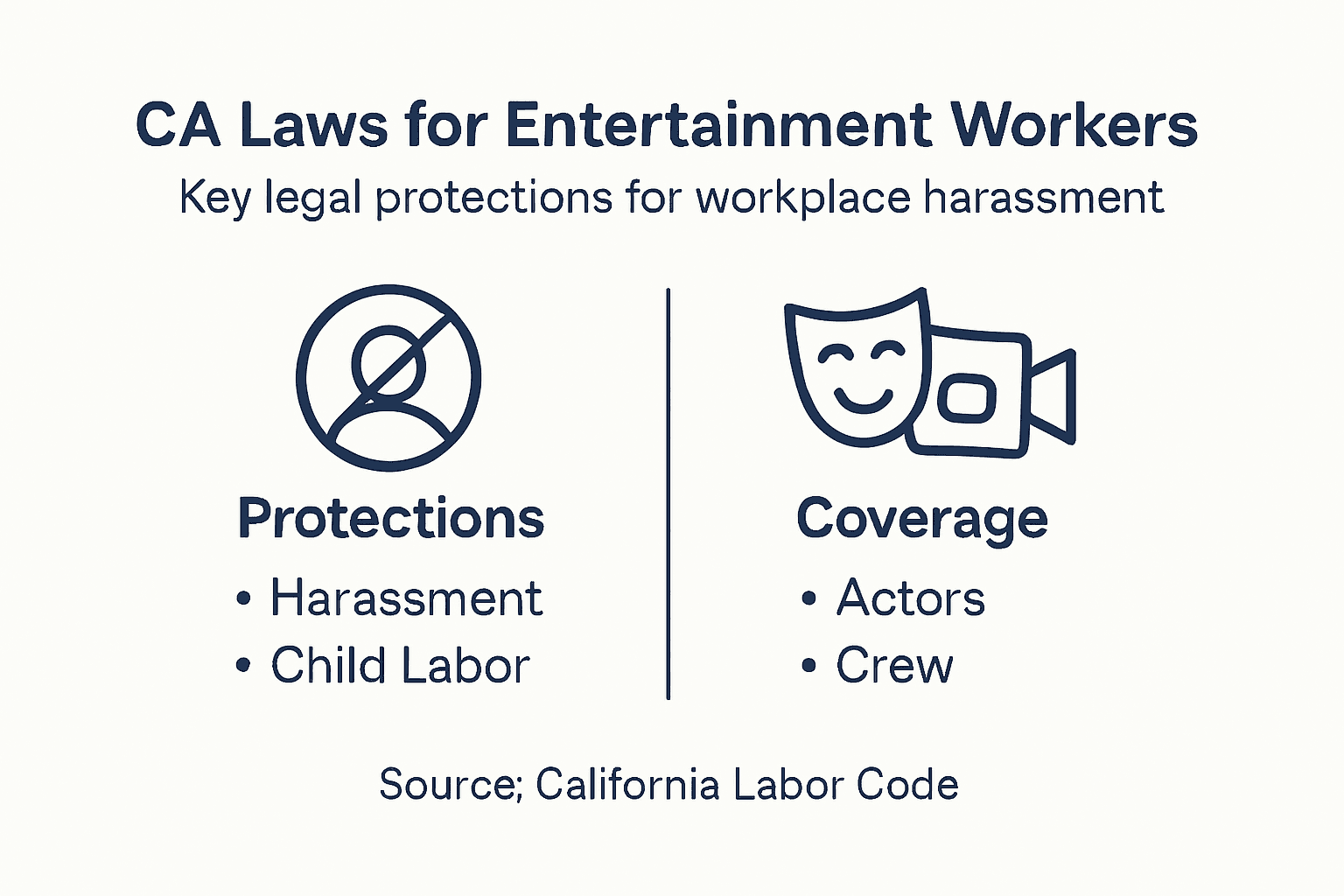
The state’s regulatory approach extends beyond traditional employment law, recognizing the unique vulnerabilities inherent in entertainment industry work. Regulations cover nuanced scenarios such as contract negotiations, consent for digital reproductions, protection against retaliation, and comprehensive mechanisms for addressing systemic workplace misconduct. These laws reflect California’s commitment to creating equitable, safe, and professionally supportive environments for entertainment industry workers.
Pro tip: Familiarize yourself with the specific California labor codes relevant to your entertainment sector, and maintain detailed documentation of all professional interactions and potential workplace issues.
Here’s a summary of major California laws protecting entertainment employees:
| Law/Regulation | Protection Focus | Who Is Covered | Unique Industry Relevance |
|---|---|---|---|
| Digital Performer Protection | Digital likeness, AI reproduction | Actors, musicians, all performers | Safeguards against unauthorized AI |
| Child Labor Rules | Safety, work hours for minors | Under 18 entertainers | Film, TV, streaming productions |
| Harassment Prevention Training | Anti-harassment education | All entertainment workers | Mandated annual training |
| Consent and Representation Laws | Contract clarity, representation | Performers, technicians | Covers digital and in-person roles |
| Retaliation Protection | Safeguards reporting employees | Anyone reporting misconduct | Prevents blacklisting, retribution |
Employee Rights, Employer Duties, and Legal Risks
California labor regulations establish a comprehensive framework defining the intricate relationship between employee protections and employer responsibilities. Labor law enforcement mechanisms create robust safeguards ensuring workers’ fundamental rights are consistently protected across diverse professional environments.
Employees possess fundamental rights that employers must respect, including protection from discrimination, harassment, retaliation, and unsafe working conditions. Fundamental employee rights encompass receiving fair compensation, experiencing a harassment-free workplace, maintaining privacy, accessing reasonable accommodations for disabilities, and exercising legal protections without fear of professional repercussions. These rights extend beyond basic employment contracts, representing critical legal standards that employers must consistently uphold.
Employers bear significant legal responsibilities that go far beyond simple contractual obligations. These duties include maintaining safe work environments, providing accurate wage statements, preventing workplace discrimination, implementing comprehensive anti-harassment training, and establishing clear reporting mechanisms for potential workplace violations. Failure to meet these obligations can result in substantial legal penalties, including monetary fines, mandatory corrective actions, potential civil lawsuits, and administrative sanctions that can significantly impact an organization’s operational capabilities and professional reputation.
The legal landscape for employee rights in California is particularly nuanced, with specific protections tailored to unique industry contexts like entertainment. These protections recognize the distinctive power dynamics and potential vulnerabilities inherent in creative professional environments, establishing mechanisms that prevent exploitation and provide meaningful recourse for workers experiencing misconduct or professional marginalization.
Pro tip: Maintain comprehensive, contemporaneous documentation of all workplace interactions, communications, and potential incidents to create a robust evidentiary record protecting your professional interests.
Proactive Steps for Victims and Witnesses
Victims and witnesses of workplace harassment face complex challenges that require strategic, carefully documented responses. Preventing workplace harassment demands a comprehensive approach that prioritizes personal safety, legal protection, and professional integrity.
Initial documentation represents the most critical step for victims and witnesses. This process involves creating detailed, contemporaneous records of all incidents, including dates, times, specific behaviors, potential witnesses, and any digital or physical evidence. Comprehensive documentation serves multiple purposes: establishing a clear pattern of misconduct, supporting potential legal claims, and providing a credible narrative that can withstand professional scrutiny. Victims should preserve emails, text messages, voicemails, and maintain a secure, timestamped personal log detailing each incident.
Navigating reporting mechanisms requires understanding both formal workplace protocols and external legal resources. Victims should first consult their organization’s human resources department, employee handbook, and official complaint procedures while simultaneously seeking confidential legal consultation. External resources like the Equal Employment Opportunity Commission, state labor boards, and specialized employment attorneys can provide critical guidance, helping individuals understand their rights, potential legal strategies, and the most appropriate channels for addressing workplace harassment.
Emotional and professional support are equally crucial components of an effective response strategy. Victims should prioritize personal well-being by engaging with trauma-informed counseling services, building supportive professional networks, and understanding that seeking help is a sign of strength, not weakness. Many professional organizations and legal resources offer confidential support systems designed to help individuals navigate the complex emotional and professional landscape of workplace harassment.
Pro tip: Create a secure, encrypted digital archive of all harassment-related documentation, storing copies in multiple locations to ensure evidence preservation and personal protection.
Take Control of Your Rights in Entertainment Workplaces
High-profile harassment cases in the entertainment industry reveal the urgent need to protect yourself against workplace misconduct such as sexual harassment, retaliation, and hostile environments. If you have experienced inappropriate conduct or professional retaliation, you understand how damaging these toxic power dynamics can be to your career and well-being. Knowing your rights and having a trusted legal partner is critical.
At Shirazi Law Office, we specialize in defending employees facing workplace harassment and retaliation in Los Angeles and the entertainment sector. Our team offers strategic legal representation focused on protecting your professional reputation and securing the justice you deserve. Learn more about how we can help with sexual harassment and workplace retaliation. Do not wait to stand up for yourself. Visit Shirazi Law Office today for a confidential consultation and take the first step toward reclaiming your rights.
Frequently Asked Questions
What are some common types of workplace harassment in the entertainment industry?
Common types include quid pro quo harassment, hostile work environment harassment, and retaliatory harassment. These may present as unwanted sexual advances, verbal abuse, or professional retaliation after reporting misconduct.
How can employees protect themselves from harassment in entertainment workplaces?
Employees can protect themselves by documenting incidents of harassment with detailed notes, maintaining a support network, and familiarizing themselves with workplace reporting mechanisms and legal protections.
What legal protections are available for entertainment industry workers?
Entertainment workers are protected by comprehensive California laws that cover workplace harassment, child labor, and digital likeness rights. These regulations include mandatory harassment prevention training and protections against retaliation for reporting misconduct.
What steps should victims of harassment take after experiencing an incident?
Victims should first document the incident thoroughly, then consult their HR department or legal resources. It is also critical to seek emotional support and build a professional network to navigate the complexities of reporting harassment.
Recommended
- Sexual Harassment Claims in West Hollywood Workplaces
- Sexual Harassment in LA | LA Employment Lawyer
- Retaliation Claims in Hollywood: Legal Rights Exposed
- Hostile Work Environment in LA | LA Employment Lawyer
- Employment Claims for Individuals | Ali Legal
- Legal Compliance Steps Adult Industry: Guide to Safe Operations