
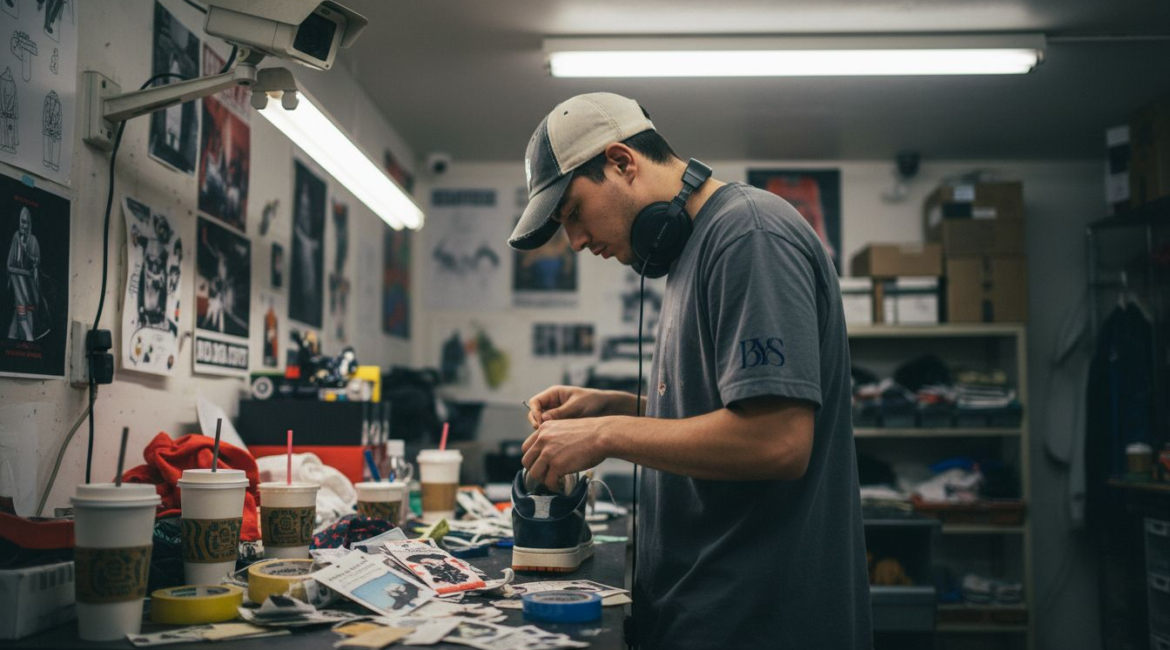
Tension in the Los Angeles streetwear scene is not just about fierce deadlines or bold creative feedback. For many working in the Fairfax District, especially at high-profile brands like Supreme, confronting a hostile work environment is an everyday reality that can undercut career growth and personal well-being. Knowing the difference between normal on-the-job stress and truly unlawful behavior empowers professionals to recognize when their rights are being compromised and equips them with the language to expect a respectful workplace.
Table of Contents
- Defining Hostile Work Environments In Fashion
- Types Of Harassment In Streetwear Companies
- California Law Governing Workplace Hostility
- How Supreme And Similar Brands Face Claims
- Employee Rights And Remedies In Los Angeles
- Common Legal Pitfalls For Fashion Employers
Key Takeaways
| Point | Details |
|---|---|
| Understanding Hostile Work Environments | A hostile work environment in fashion involves severe or pervasive discriminatory behaviors that alter employment conditions. |
| Documenting Incidents | Employees should maintain detailed logs of inappropriate behaviors to support potential legal claims or complaints. |
| Legal Protections | California offers robust protections against workplace hostility, requiring employers to implement anti-harassment policies effectively. |
| Proactive Employer Strategies | Fashion employers must develop and enforce clear policies to prevent harassment and comply with legal standards to avoid liability. |
Defining Hostile Work Environments in Fashion
In the competitive world of streetwear and fashion, understanding what constitutes a hostile work environment is crucial for employee protection. A hostile work environment emerges when workplace conduct becomes severe or pervasive enough to fundamentally alter employment conditions and create an intimidating atmosphere.
For fashion industry professionals, this goes beyond typical workplace disagreements. A hostile environment specifically involves discriminatory behaviors targeting protected characteristics such as race, gender, disability, or ethnicity. These actions can manifest through repeated inappropriate comments, offensive jokes, intimidation tactics, or systematic exclusionary practices that undermine an employee’s professional dignity.
Key indicators of a hostile work environment in fashion settings include:
- Persistent derogatory comments about personal characteristics
- Unequal treatment based on gender or ethnicity
- Sexual harassment or unwelcome sexual advances
- Deliberate professional isolation or marginalization
- Intimidating or aggressive management behaviors
- Consistent undermining of professional capabilities
Legal standards require that workplace harassment be objectively severe – something a reasonable person would find intimidating or abusive. This means isolated incidents typically do not qualify, but repeated patterns of discriminatory behavior certainly can.
Professional Boundaries Matter. Fashion workplaces, known for their creative and sometimes unconventional cultures, must still maintain clear professional boundaries. Just because an environment feels casual does not give license for inappropriate conduct.
Pro tip: Document every instance of inappropriate behavior, including dates, times, witnesses, and specific details, which can become critical evidence if you need to file a formal complaint.
Types of Harassment in Streetwear Companies
In the dynamic and often high-pressure environment of streetwear companies, workplace harassment takes on multiple complex forms that can significantly impact employee well-being and professional dynamics. The fashion industry, particularly streetwear, is known for its creative yet sometimes intense workplace cultures that can inadvertently foster inappropriate behaviors.
Harassment in streetwear companies can manifest through several distinct categories that target an employee’s personal characteristics or professional standing:
- Sexual Harassment: Unwelcome sexual advances, inappropriate comments about physical appearance, or quid pro quo propositions
- Racial Harassment: Derogatory comments, racial slurs, or systematic discrimination based on ethnic background
- Gender-Based Harassment: Discriminatory treatment, unequal opportunities, or degrading comments targeting gender identity
- Physical Intimidation: Threatening gestures, invasive personal space violations, or aggressive posturing
- Professional Undermining: Consistent attempts to discredit, isolate, or diminish an employee’s professional capabilities
The workplace bullying landscape in streetwear goes beyond overt actions, often involving subtle yet equally damaging behaviors like social exclusion, passive-aggressive communication, and strategic professional marginalization. These tactics can create a toxic environment that erodes individual confidence and team cohesion.
Professional Culture Matters. While streetwear brands pride themselves on unconventional and edgy aesthetics, this should never translate into permissive workplace behaviors that compromise employee dignity and respect.
Pro tip: Maintain a detailed personal log of harassment incidents, including specific dates, times, potential witnesses, and verbatim quotes, which can serve as critical documentation if you need to file a formal complaint.
California Law Governing Workplace Hostility
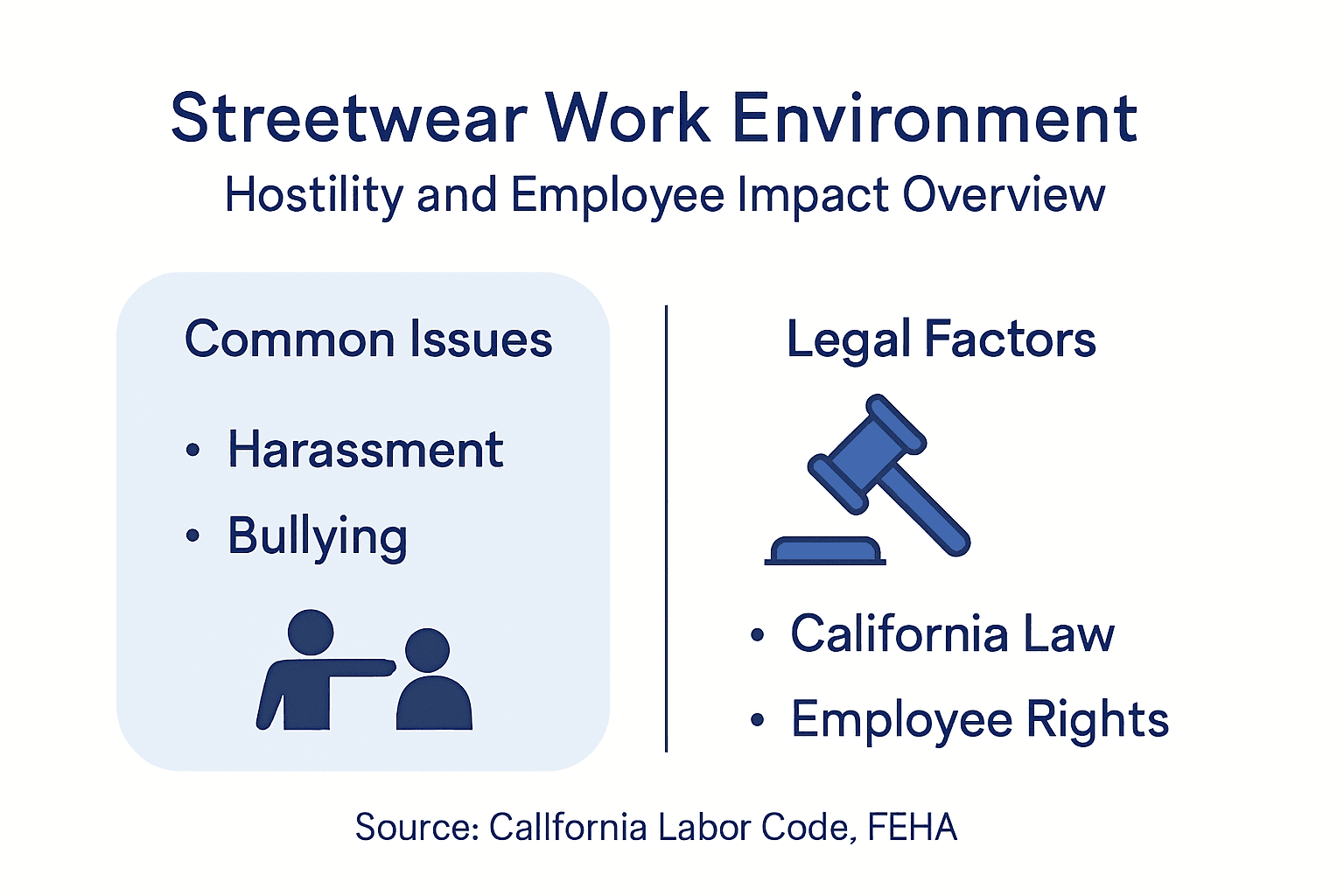
California provides robust legal protections against workplace hostility, establishing some of the most comprehensive employee rights frameworks in the United States. These laws go beyond federal standards, offering employees in streetwear and fashion industries extensive safeguards against discriminatory and harmful workplace behaviors.
The legal landscape for workplace hostility in California is defined by two primary mechanisms:
- Federal Protection: Title VII of the Civil Rights Act
- State Protection: California Fair Employment and Housing Act (FEHA)
- Key Protected Characteristics: Race, gender, disability, age, sexual orientation, national origin
- Employer Responsibilities: Implement anti-harassment policies
- Employee Rights: File complaints without fear of retaliation
Workplace harassment regulations require that conduct be severe or pervasive enough to create an objectively hostile environment. This means isolated incidents might not qualify, but repeated patterns of discriminatory behavior certainly can trigger legal intervention. The standard considers both the frequency and intensity of inappropriate workplace interactions.
Here’s a comparison of federal and California state laws regarding hostile work environments:
| Legal Aspect | Federal Law (Title VII) | California Law (FEHA) |
|---|---|---|
| Protected Characteristics | Race, gender, religion, etc. | Broader, includes sexual orientation and more |
| Complaint Filing Deadline | 180 days to EEOC | 1 year to DFEH |
| Employer Size Threshold | 15 or more employees | 5 or more employees |
| Anti-Retaliation Provision | Explicitly protected | Strongly enforced by state |
Legal Standards Matter. California courts evaluate workplace hostility through a reasonable person standard, meaning the harassment must be something an average employee would find intimidating or abusive.
Pro tip: Always document specific instances of workplace harassment, including dates, direct quotes, and potential witnesses, which can provide critical evidence if legal action becomes necessary.
How Supreme and Similar Brands Face Claims
Streetwear brands like Supreme confront increasingly complex workplace harassment challenges as their organizational cultures evolve. Corporate brand transitions create unique legal vulnerabilities, particularly when rapid growth meets established workplace dynamics.
The most common workplace hostility claims against streetwear companies typically involve:
- Sexual Harassment: Inappropriate workplace interactions
- Discriminatory Practices: Unequal treatment based on protected characteristics
- Professional Retaliation: Punitive actions against employees who report misconduct
- Hostile Work Environment: Persistent patterns of intimidation or exclusion
- Wage and Opportunity Discrimination: Systematic pay or promotion inequities
Streetwear workplace litigation requires demonstrating that harassment was severe enough to fundamentally alter employment conditions. Successful claims must prove the conduct was objectively offensive and targeted specific protected characteristics, not merely uncomfortable workplace interactions.
Cultural Accountability Matters. These brands must recognize that their creative, unconventional image cannot shield them from legal and ethical workplace standards.
Pro tip: Document every workplace interaction that feels inappropriate, including specific language, dates, and potential witnesses, which can provide critical evidence in potential legal proceedings.
Employee Rights and Remedies in Los Angeles
Employees in Los Angeles’s competitive streetwear and fashion industries have robust legal protections against workplace discrimination and harassment. Employee protection laws provide comprehensive mechanisms for addressing workplace injustices, ensuring workers can challenge unfair treatment without fear of retaliation.
Employees facing hostile work environments have multiple strategic remedies available:
- Administrative Complaint Filing: Submit claims to EEOC or California Fair Employment Practices Agencies
- Civil Lawsuit Initiation: Pursue legal action for damages and workplace corrections
- Monetary Compensation: Recover back pay, emotional distress damages, and legal fees
- Job Reinstatement: Potential restoration to previous professional position
- Mandatory Employer Policy Changes: Compel workplace culture transformations
Workplace discrimination remedies extend beyond financial compensation, often requiring systematic organizational reforms. Successful claims can mandate comprehensive workplace training, policy updates, and institutional accountability mechanisms.
This summary shows remedies available for employees facing workplace hostility:
| Remedy Type | Description | Typical Outcome |
|---|---|---|
| Administrative Complaint | File with EEOC or state agency | Investigation, possible settlement |
| Civil Lawsuit | Legal action for damages or reinstatement | Monetary award, job return |
| Policy Change Enforcement | Mandated by agency or court | Employer updates policies |
| Organizational Training | Required staff education post-complaint | Improved workplace conduct |
Legal Empowerment Matters. Understanding your rights transforms potential vulnerability into professional strength and organizational accountability.
Pro tip: Preserve all documentation of workplace interactions, including emails, performance reviews, and witness statements, which can become critical evidence in potential legal proceedings.
Common Legal Pitfalls for Fashion Employers
Fashion employers in the streetwear industry face increasingly complex legal challenges that demand proactive management and comprehensive workplace strategies. Unethical labor practices can rapidly transform into costly legal vulnerabilities that threaten brand reputation and financial stability.
The most significant legal risks for fashion employers include:
- Sexual Harassment Liability: Failure to prevent inappropriate workplace interactions
- Wage and Hour Violations: Improper compensation and overtime practices
- Discrimination Claims: Unequal treatment based on protected characteristics
- Workplace Safety Noncompliance: Inadequate health and working condition standards
- Retaliation Risks: Punishing employees who report workplace misconduct
- Immigration Compliance Failures: Improper documentation and worker classification
Fast fashion legal challenges extend beyond immediate financial penalties, potentially causing long-term brand damage and regulatory scrutiny. Employers must develop comprehensive compliance strategies that prioritize employee rights and organizational accountability.
Preventative Measures Matter. Proactive policy development and consistent enforcement are more cost-effective than defending against potential litigation.
Pro tip: Conduct regular internal audits of workplace policies, document all employee interactions, and maintain transparent communication channels to mitigate potential legal risks.
Protect Yourself Against Hostile Work Environments in Fairfax Streetwear Companies
If you are navigating the challenges of a hostile work environment in the competitive streetwear scene of the Fairfax District, you are facing more than just workplace stress. Discriminatory behavior, intimidation, and retaliation can deeply affect your career and well-being. At Shirazi Law Office, we understand these unique pressures and focus exclusively on safeguarding employees like you who deal with unlawful treatment, harassment, and unfair workplace practices.
Don’t wait until the situation worsens. Our experienced team can help you assert your rights under California Law and provide aggressive representation tailored to the complexities of hostile work environments. Learn how we defend your interests by visiting our dedicated Hostile Work Environment page and the Fairfax District legal resources. Contact us today through Shirazi Law Office to protect your career and demand the respectful workplace you deserve.
Frequently Asked Questions
What is considered a hostile work environment in the streetwear industry?
A hostile work environment in the streetwear industry is characterized by discriminatory behaviors or actions severe enough to create an intimidating or abusive atmosphere. This includes persistent derogatory comments, sexual harassment, racial slurs, and intimidation tactics targeting protected characteristics.
What types of harassment are commonly seen in streetwear companies?
Common types of harassment in streetwear companies include sexual harassment (unwelcome advances or inappropriate comments), racial harassment (derogatory comments or discrimination based on ethnicity), and gender-based harassment (unequal treatment or degrading comments targeting gender identity).
What legal protections do employees have against workplace hostility?
Employees have legal protections under federal laws, such as Title VII of the Civil Rights Act, and state laws like the California Fair Employment and Housing Act (FEHA). These laws prohibit discrimination and harassment based on protected characteristics and allow employees to file complaints without fear of retaliation.
How can employees document incidents of workplace harassment?
Employees can document harassment incidents by keeping a detailed log that includes dates, times, specific behaviors, direct quotes, and any witnesses present. This documentation can be crucial for filing complaints or pursuing legal action.
Recommended
- Seasoned Employment Lawyer in Fairfax District
- Hostile Work Environment in LA | LA Employment Lawyer
- Retaliation After Medical Leave in Fairfax District – Law Office of Brian Y. Shirazi, PC
- Pregnancy Discrimination in Fairfax Retail – Employee Rights and Legal Remedies – Law Office of Brian Y. Shirazi, PC





[…] to protect themselves. If you’re already dealing with a difficult work environment, resources on Fairfax hostile work environments and Fairfax workplace retaliation can help you understand the fuller picture of your […]