

Professional success in Hollywood often means navigating environments shaped by power, prestige, and sometimes deeply embedded abuses of authority. For executive-level women in Los Angeles, confronting workplace harassment can be as complex as the industry itself, especially when high-profile legal cases spotlight the risks and responsibilities at every level. This article breaks down workplace harassment dynamics in Hollywood, helping you recognize key patterns, understand legal protections, and learn actionable lessons from landmark cases that have transformed the industry’s approach to dignity, safety, and accountability.
Table of Contents
- Defining Workplace Harassment In Hollywood
- Key Types Of Harassment Lawsuits In Film
- Major California Legal Standards And Protections
- Lessons From Recent Celebrity Cases
- Practical Steps For Hollywood Executives
- Risks, Remedies, And Employer Liability
Key Takeaways
| Point | Details |
|---|---|
| Power Dynamics Lead to Harassment | Workplace harassment in Hollywood is deeply rooted in power dynamics, emphasizing the need for action against abuse at all levels. |
| Legal Protections are Robust | California provides strong legal protections for workers, mandating employer accountability and comprehensive anti-harassment policies. |
| Documenting Incidents is Crucial | Maintaining detailed records of inappropriate interactions is essential for legal claims and workplace accountability. |
| Executives Must Prioritize Safety | Hollywood executives should develop and enforce anti-harassment policies to foster a safe and respectful work environment. |
Defining Workplace Harassment in Hollywood
Workplace harassment in Hollywood represents a complex and systemic issue deeply rooted in power dynamics and institutional structures. Workplace harassment dynamics extend far beyond simple interpersonal conflicts, encompassing verbal, physical, and psychological forms of abuse that systematically undermine worker dignity.
In the entertainment industry, harassment often manifests through subtle yet pervasive mechanisms of control and intimidation. Key characteristics of workplace harassment in Hollywood include:
- Exploiting professional hierarchies to exert inappropriate power
- Using professional advancement as leverage for inappropriate behavior
- Creating hostile work environments through persistent psychological manipulation
- Normalizing inappropriate conduct as “industry standard” practices
The infamous “casting couch” phenomenon exemplifies how deeply embedded harassment has been in Hollywood’s professional culture. This practice represented a grotesque intersection of professional opportunity and sexual exploitation, where career advancement was explicitly or implicitly tied to sexual compliance.
Moreover, modern understanding of workplace harassment recognizes intersectional dynamics. Power is not just about gender, but also involves professional status, race, age, and economic vulnerability. Less privileged workers—including entry-level employees, freelancers, and those from marginalized communities—frequently bear the most significant risks.
Pro tip: Document every inappropriate interaction carefully, maintaining dated records and preserving communication evidence to protect yourself legally and professionally.
Key Types of Harassment Lawsuits in Film
Harassment lawsuits in the film industry represent complex legal challenges that address systemic workplace misconduct. Harassment lawsuit patterns reveal multiple critical dimensions of legal claims that emerge from toxic professional environments.
The primary types of harassment lawsuits in film encompass several distinct legal categories:
- Sexual Harassment Claims: Involving unwanted sexual advances, coercive behavior, and inappropriate workplace conduct
- Quid Pro Quo Harassment: Where employment benefits are contingent upon sexual compliance
- Hostile Work Environment Claims: Persistent patterns of intimidation, discrimination, and psychological abuse
- Racial and Gender Discrimination Lawsuits: Targeting systematic prejudice and unequal treatment
- Retaliation Claims: Addressing adverse actions taken against employees who report misconduct
These lawsuits frequently target powerful industry figures who exploit professional hierarchies. Workplace discrimination claims often reveal intricate power dynamics where less privileged workers face significant professional risks when challenging established industry norms.
Moreover, successful harassment lawsuits typically demonstrate clear patterns of organizational failure. This includes inadequate harassment prevention protocols, systemic cultural problems, and institutional mechanisms that protect perpetrators while silencing victims.
Pro tip: Maintain comprehensive documentation of all workplace interactions, including dated communications, witness statements, and any evidence of inappropriate behavior to strengthen potential legal claims.
Major California Legal Standards and Protections
California employment law provides robust legal protections for workers, particularly in the entertainment industry, with comprehensive standards designed to prevent workplace harassment and discrimination. Employee rights in California represent some of the most progressive and protective legal frameworks in the United States.
The state’s key legal standards for workplace protection include:
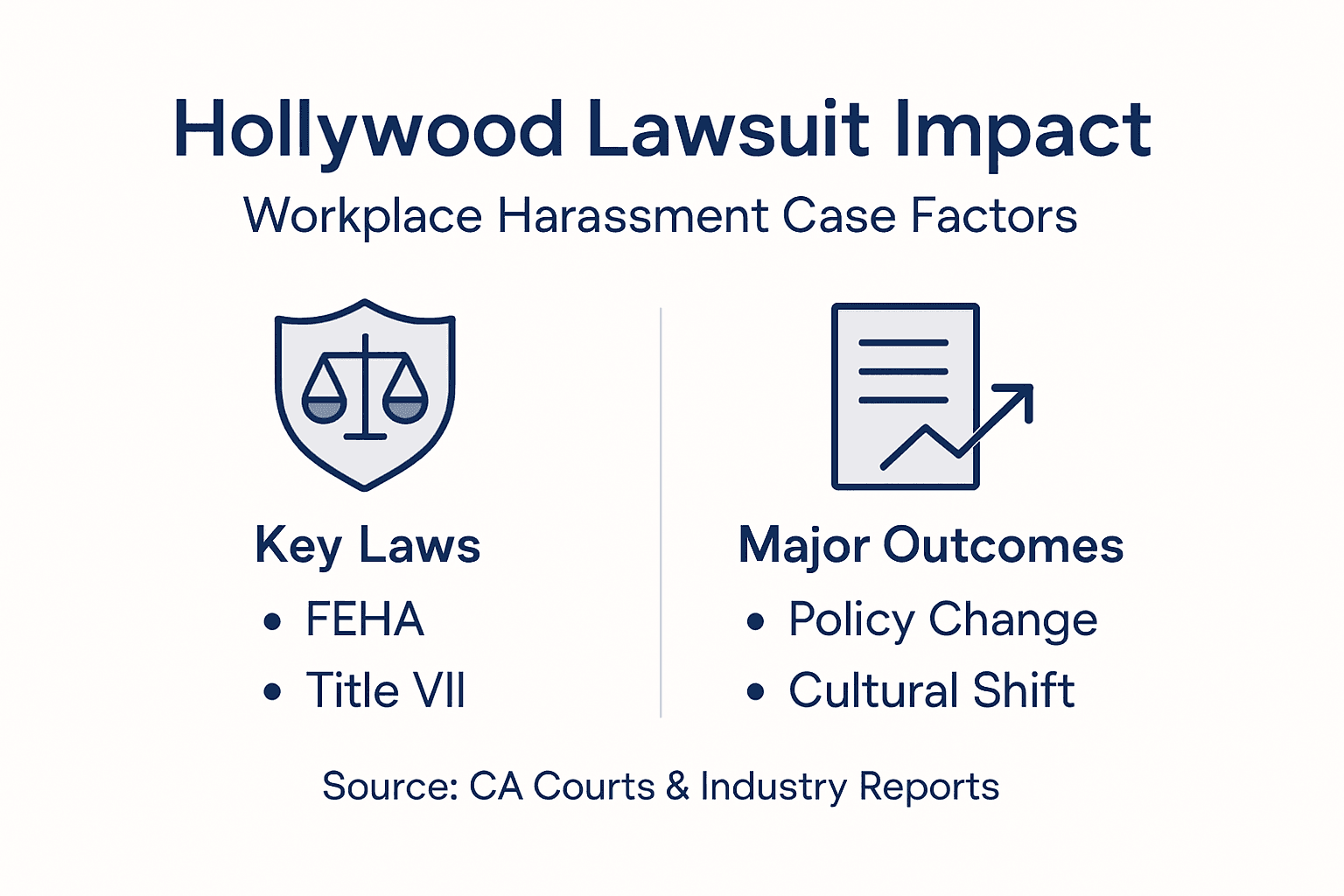
- Fair Employment and Housing Act (FEHA): Prohibiting discrimination based on protected characteristics
- California Labor Code: Establishing minimum workplace conduct standards
- Title VII of the Civil Rights Act: Federal protections against workplace discrimination
- California Equal Pay Act: Addressing wage disparities and gender-based compensation discrimination
- Whistleblower Protection Laws: Safeguarding employees who report workplace misconduct
Under California law, employers have a legal obligation to prevent harassment and create safe working environments. This means implementing comprehensive training programs, establishing clear reporting mechanisms, and taking immediate action when harassment claims are substantiated.
Particularly in the entertainment industry, these legal protections are critical. California courts have consistently demonstrated a commitment to holding powerful institutions accountable for systemic workplace misconduct, recognizing the unique power dynamics that can enable harassment in creative industries.
Here’s a summary comparing major California legal protections for entertainment industry workers:
| Legal Standard | Coverage Area | Unique Benefit | Typical Application |
|---|---|---|---|
| Fair Employment and Housing Act (FEHA) | Discrimination, harassment | Broadest state-level protections | Applies to most workplaces |
| California Labor Code | Minimum workplace conduct | Sets clear baseline requirements | Regulates working conditions |
| Title VII, Civil Rights Act | Federal anti-discrimination | Federal reach, covers more claims | Used in larger organizations |
| California Equal Pay Act | Gender wage equality | Addresses pay gaps directly | Applied in wage disputes |
| Whistleblower Protection Laws | Retaliation for reporting issues | Shields employees who speak up | Protects complainants, witnesses |
Pro tip: Familiarize yourself with your workplace’s harassment prevention policies and document any incidents thoroughly to protect your legal rights.
Lessons from Recent Celebrity Cases
Recent high-profile harassment cases in Hollywood have dramatically transformed workplace accountability, revealing critical insights into systemic misconduct and legal consequences. High-profile harassment lessons demonstrate that no individual, regardless of professional status, is exempt from legal and professional scrutiny.
Key lessons emerging from recent celebrity harassment cases include:
- Accountability is Universal: Powerful industry figures cannot shield themselves from legal consequences
- Systemic Problems Require Structural Solutions: Isolated incidents reveal deeper institutional failures
- Retaliation Amplifies Legal Liability: Punishing complainants increases organizational risk
- Documentation is Critical: Detailed records substantiate harassment claims
- Organizational Culture Matters: Prevention requires comprehensive, proactive strategies
The Harvey Weinstein trial became a watershed moment, exposing how long-standing power dynamics enabled widespread workplace abuse. By holding a prominent industry executive accountable, the case demonstrated that historical influence cannot override legal standards or protect perpetrators of sustained harassment.
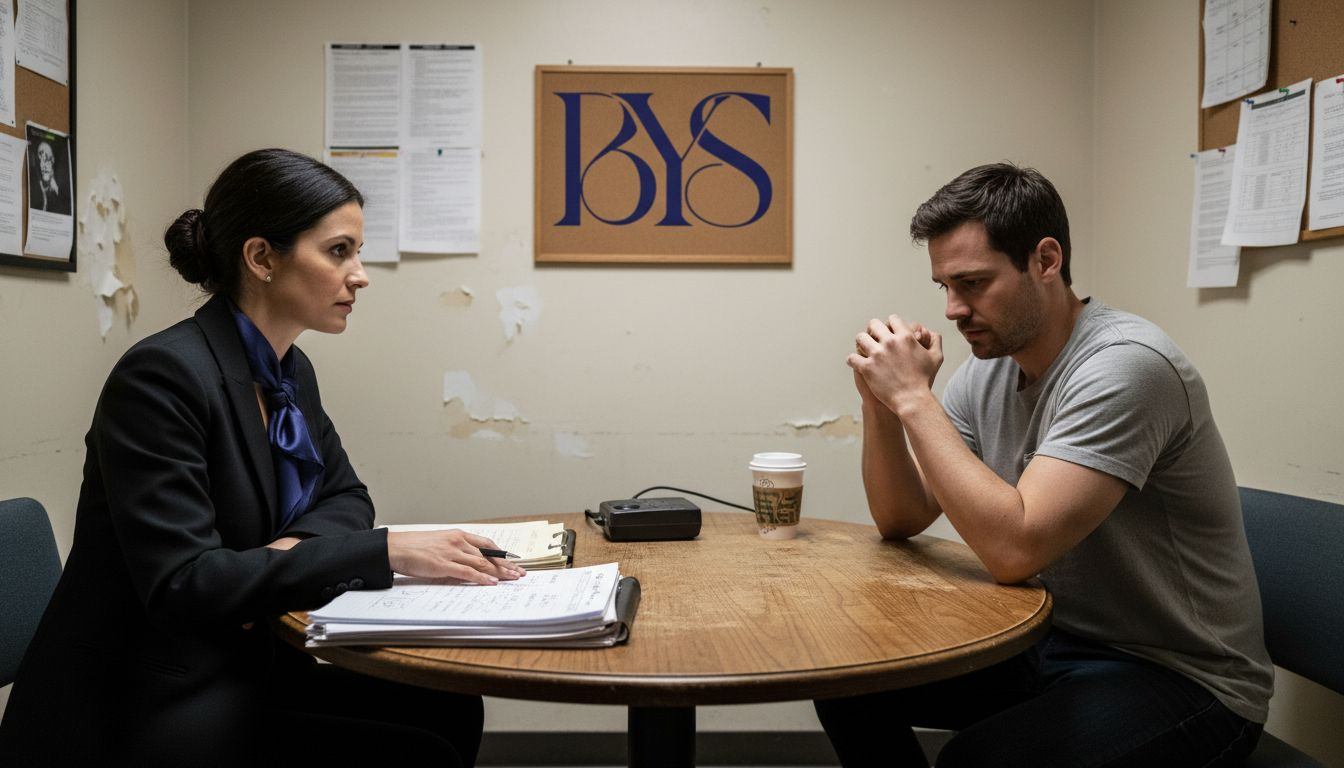
Moreover, these cases have catalyzed broader cultural shifts, encouraging more employees to speak out and compelling organizations to implement robust prevention and reporting mechanisms. The legal and professional landscape is fundamentally changing, with increased transparency and accountability becoming the new standard.
Pro tip: Maintain a contemporaneous, detailed record of any inappropriate workplace interactions, including dates, witnesses, and specific behaviors, to strengthen potential legal claims.
Practical Steps for Hollywood Executives
Executives in Hollywood must proactively address workplace harassment through comprehensive, strategic approaches that prioritize employee safety and organizational accountability. Workplace compliance strategies are essential for creating safe, respectful professional environments.
Practical steps for Hollywood executives include:
- Develop Robust Anti-Harassment Policies: Create clear, comprehensive guidelines with specific reporting mechanisms
- Implement Regular Training Programs: Conduct mandatory harassment prevention workshops for all employees
- Establish Independent Oversight: Create neutral reporting channels outside traditional management structures
- Respond Promptly to Complaints: Investigate all harassment allegations thoroughly and transparently
- Hold High-Status Individuals Accountable: Apply consistent disciplinary standards regardless of professional rank
Modern leadership requires more than passive compliance. Executives must actively cultivate workplace cultures that reject harassment, creating environments where employees feel safe reporting misconduct without fear of retaliation or professional consequences.
The most effective prevention strategies involve ongoing dialogue, continuous education, and a commitment to systematic cultural transformation. This means moving beyond traditional checkbox approaches to genuinely understanding and addressing the root causes of workplace harassment.
Pro tip: Conduct anonymous employee surveys to identify potential systemic issues and create confidential feedback mechanisms that encourage open communication.
Risks, Remedies, and Employer Liability
Employers in Hollywood face complex legal challenges when addressing workplace harassment, with significant potential consequences for inadequate prevention and response strategies. Employer liability risks extend far beyond immediate financial penalties, impacting organizational reputation and long-term professional sustainability.
Key risks and potential liabilities include:
- Financial Damages: Costly litigation and potential settlement expenses
- Reputational Harm: Negative public perception and industry credibility loss
- Employee Turnover: Decreased workforce morale and talent retention challenges
- Regulatory Investigations: Potential federal and state employment agency scrutiny
- Vicarious Liability: Legal responsibility for supervisor and management misconduct
California law establishes stringent standards for employer accountability, holding organizations responsible for both direct and indirect harassment scenarios. This means companies must proactively implement comprehensive prevention strategies, including robust training programs, clear reporting mechanisms, and consistent enforcement of anti-harassment policies.
Effective risk mitigation requires a multifaceted approach that goes beyond traditional compliance checkboxes. Employers must create workplace cultures that genuinely prioritize employee safety, respect, and professional dignity, transforming harassment prevention from a legal obligation into a fundamental organizational value.
Below is a table summarizing the main risks of employer liability for Hollywood organizations:
| Type of Risk | Possible Consequence | Prevention Focus |
|---|---|---|
| Financial damages | Large settlements or fines | Legal compliance |
| Reputational harm | Public trust and stature loss | PR crisis planning |
| Employee turnover | Loss of talent, productivity | Positive workplace |
| Regulatory investigation | Fines, sanctions, audits | Strong documentation |
| Vicarious liability | Responsibility for managers | Manager training |
Pro tip: Develop comprehensive employment practices liability insurance (EPLI) coverage and conduct regular, independent workplace culture audits to identify and address potential harassment risks proactively.
Protect Your Rights in Hollywood’s Complex Workplace Landscape
High-profile harassment lawsuits reveal the serious challenges of facing systemic workplace misconduct in the entertainment industry. If you are dealing with sexual harassment, hostile work environments, or retaliation, understanding your rights and having strong legal support is critical. The article highlights how powerful individuals often exploit professional hierarchies and how meticulous documentation can be your strongest defense.
At Shirazi Law Office, we specialize in representing employees, executives, and senior management confronting these issues. Whether you are experiencing sexual harassment or workplace retaliation, our experienced team is dedicated to protecting your professional reputation and securing fair outcomes. Learn more about how we can support you with expert advice on sexual harassment and workplace retaliation.
Don’t let harassment undermine your career or peace of mind. Take control of your situation today by reaching out to the Shirazi Law Office for confidential guidance and strategic representation tailored to Hollywood’s unique workplace challenges. Your professional rights deserve immediate and skilled advocacy.
Frequently Asked Questions
What are some key lessons from high-profile harassment lawsuits in Hollywood?
High-profile harassment lawsuits have highlighted the importance of accountability in the entertainment industry, revealing that no individual is above the law, and demonstrating the need for systemic changes to address workplace culture.
How can Hollywood executives prevent workplace harassment?
Executives can prevent workplace harassment by developing robust anti-harassment policies, implementing regular training programs, establishing independent oversight, promptly responding to complaints, and holding high-status individuals accountable for their actions.
What are the potential risks for employers involved in harassment lawsuits?
Employers face risks such as financial damages from litigation, reputational harm, employee turnover, regulatory investigations, and vicarious liability for the actions of their supervisors.
What legal standards protect employees from harassment in the workplace?
Legal protections for employees include laws such as the Fair Employment and Housing Act (FEHA), Title VII of the Civil Rights Act, and California’s Equal Pay Act, which aim to prevent discrimination and create safe work environments.
Recommended
- High-Profile Harassment Cases in Entertainment – Lessons for Employees
- Retaliation on Hollywood Sets – Legal Protections for Whistleblowers
- Retaliation Claims in Hollywood: Legal Rights Exposed
- Sexual Harassment Claims in West Hollywood Workplaces
- Day 184: 4 Insights into ARS §13-2921.01: Aggravated Harassment » Tamou Law Group
- Sports, Media & Talent | Ali Legal





This post made me think about important priorities and values in my life