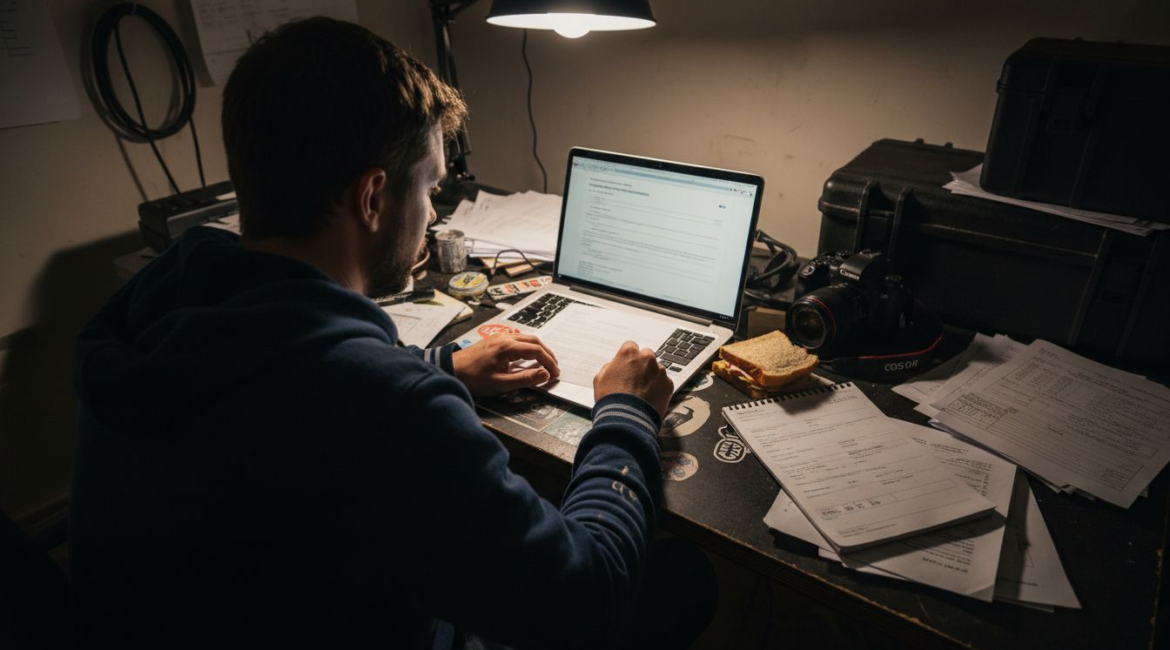
More than one in three American freelancers working in Hollywood have experienced wage theft at some point in their careers. For creative professionals juggling film projects, design gigs, and contract work, the risk of lost earnings and unfair treatment is a constant concern. Understanding how wage theft operates in the entertainment world empowers you to fight back and protect your hard-earned income from unscrupulous employers.
Table of Contents
- Defining Wage Theft In Hollywood Creative Work
- Common Forms Of Wage Theft For Freelancers
- California Laws Protecting Creative Freelancers
- Proving Wage Theft And Evidence Needed
- Legal Remedies And Worker Rights In California
Key Takeaways
| Point | Details |
|---|---|
| Wage Theft in Hollywood | Wage theft is a prevalent issue among freelancers in Hollywood, often manifesting as unpaid work, misclassification, and unauthorized deductions. |
| California Freelance Worker Protection Act | The Act provides essential protections, including mandatory written contracts, timely payments, and anti-retaliation measures for creative freelancers. |
| Documentation Importance | Freelancers must maintain meticulous documentation of contracts, communications, and pay records to effectively address wage theft. |
| Legal Remedies Available | California offers avenues for recovering unpaid wages through administrative claims and court-based remedies, despite enforcement challenges. |
Defining Wage Theft in Hollywood Creative Work
In the vibrant world of Hollywood creative work, wage theft represents a significant and often overlooked challenge facing freelance professionals. Wage theft occurs when employers fail to pay workers the full compensation they are legally or contractually owed, a problem particularly prevalent among independent contractors and gig economy workers in the entertainment industry.
For Hollywood creatives, wage theft can manifest in multiple insidious forms. Typical scenarios include producers refusing to pay for completed work, production companies making unauthorized paycheck deductions, misclassifying employees as independent contractors to avoid benefits, or demanding uncompensated overtime. These practices disproportionately impact freelancers who often lack formal employment protections, creating financial vulnerability for writers, graphic designers, camera operators, and other creative professionals.
Under California labor laws, freelance workers have critical legal protections against wage theft. The state recognizes several specific scenarios as wage theft, such as:
- Failing to pay agreed-upon rates for completed projects
- Withholding final paychecks without legal justification
- Forcing workers to perform tasks outside original contract terms without additional compensation
- Misclassifying employees to avoid paying overtime or benefits
- Making unauthorized deductions from earned wages
Pro tip: Always document every communication, contract, and project detail to create a strong paper trail that can protect you if wage disputes arise.
Common Forms of Wage Theft for Freelancers
Freelance creative professionals in Hollywood face numerous complex wage theft scenarios that can significantly impact their financial stability. In Los Angeles County, wage theft manifests through multiple sophisticated strategies designed to exploit independent contractors, creating substantial economic vulnerabilities for workers across the entertainment industry.
The most prevalent forms of wage theft for Hollywood freelancers include:
- Misclassification of Employment Status: Employers deliberately categorizing workers as independent contractors to avoid paying benefits, overtime, and standard employment protections
- Unpaid Project Work: Refusing compensation for completed creative projects or demanding extensive revisions without additional payment
- Unauthorized Paycheck Deductions: Making illegal reductions from earned wages under false pretexts
- Underpayment of Agreed Rates: Consistently paying less than originally negotiated contract terms
- Forced Uncompensated Labor: Requiring additional work beyond original project scope without extra compensation
Freelancers in creative sectors frequently experience wage theft through complex manipulation of employment classifications and payment structures, which can make recovering stolen wages challenging. These practices often exploit the power imbalance between individual creative professionals and larger production companies or studios.
In the Hollywood ecosystem, wage theft is particularly insidious because it preys on the aspirational nature of creative work, where professionals might hesitate to challenge unfair practices for fear of damaging future career opportunities. Understanding these tactics empowers freelancers to recognize and confront potential exploitation.
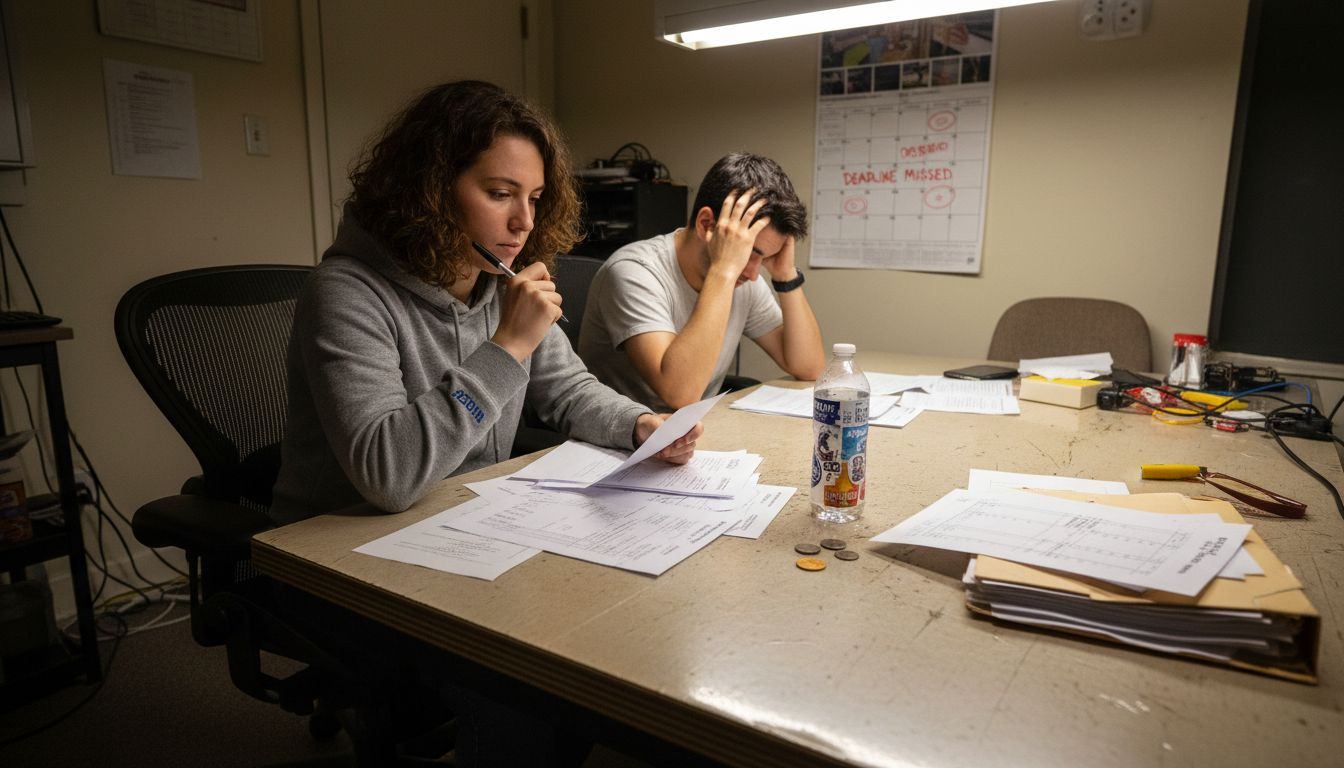
Pro tip: Always maintain detailed documentation of all project agreements, communication records, and completed work to create a robust legal defense against potential wage theft scenarios.
Here’s a quick comparison of common wage theft tactics and their impact on Hollywood creatives:
| Tactic Used | Who Is Impacted Most | Economic Consequence | Legal Difficulty to Recover |
|---|---|---|---|
| Misclassification | Writers, designers | Loss of benefits, overtime | High |
| Unpaid project work | Camera operators, editors | No compensation for labor | Moderate |
| Unauthorized deductions | Freelance technicians | Reduced final take-home pay | Moderate |
| Underpayment of rates | All freelancers | Persistent income shortages | High |
| Forced uncompensated labor | Junior creative staff | Extra hours without payment | High |
California Laws Protecting Creative Freelancers
California has emerged as a pioneering state in protecting the rights of creative freelancers, recognizing the unique economic challenges faced by independent workers in industries like Hollywood. The Freelance Worker Protection Act represents a groundbreaking legislative effort to ensure fair compensation and contractual transparency for independent professionals.
Key provisions of this landmark legislation include:
- Mandatory Written Contracts: Required for all freelance work valued at $250 or more
- Timely Payment Guarantees: Mandating payment within 30 days of project completion
- Anti-Retaliation Protections: Safeguarding freelancers who assert their legal rights
- Comprehensive Coverage: Applying to diverse creative professionals across various entertainment sectors
California’s legal framework now provides robust protections for independent contractors, particularly those in creative industries who have historically faced significant economic vulnerabilities. The legislation addresses long-standing issues of payment uncertainty and power imbalances between freelancers and employers.
The law represents a significant shift in how creative work is valued, acknowledging that freelancers are essential professionals deserving of legal protections. By establishing clear contractual requirements and payment timelines, California is setting a national standard for protecting independent workers in the creative economy.
Pro tip: Retain copies of all contracts, communication records, and project documentation to effectively leverage the new legal protections for freelance workers.
Below is a summary of California’s new freelancer protections and how they help creative professionals:
| Protection Feature | Purpose | Benefit for Freelancers | Covered Sectors |
|---|---|---|---|
| Written contract required | Clarifies work expectations | Ensures clear project terms | Entertainment, arts |
| 30-day payment window | Promotes timely pay | Reduces financial stress | All creative fields |
| Anti-retaliation clause | Shields against backlash | Safeguards career prospects | Media, design, film |
| Broad job coverage | Applies to many roles | Includes all project types | Hollywood industry |
Proving Wage Theft and Evidence Needed
Building a compelling wage theft case requires meticulous documentation and strategic evidence gathering. Workers must collect comprehensive documentation demonstrating discrepancies between agreed compensation and actual payment, transforming scattered information into a persuasive legal narrative.
Critical evidence categories for documenting wage theft include:
- Financial Documentation
- Original employment contracts
- Pay stubs and payment records
- Bank statements showing payment inconsistencies
- Communication Evidence
- Email correspondence discussing project terms
- Text messages negotiating work arrangements
- Written agreements or project proposals
- Work Product Documentation
- Completed project deliverables
- Time logs and project tracking records
- Invoices submitted to the employer
Freelance professionals face unique challenges in wage theft documentation, particularly due to the prevalence of informal work arrangements in creative industries. Digital communication and detailed record-keeping become essential tools in establishing legal claims against employers who intentionally manipulate payment structures.
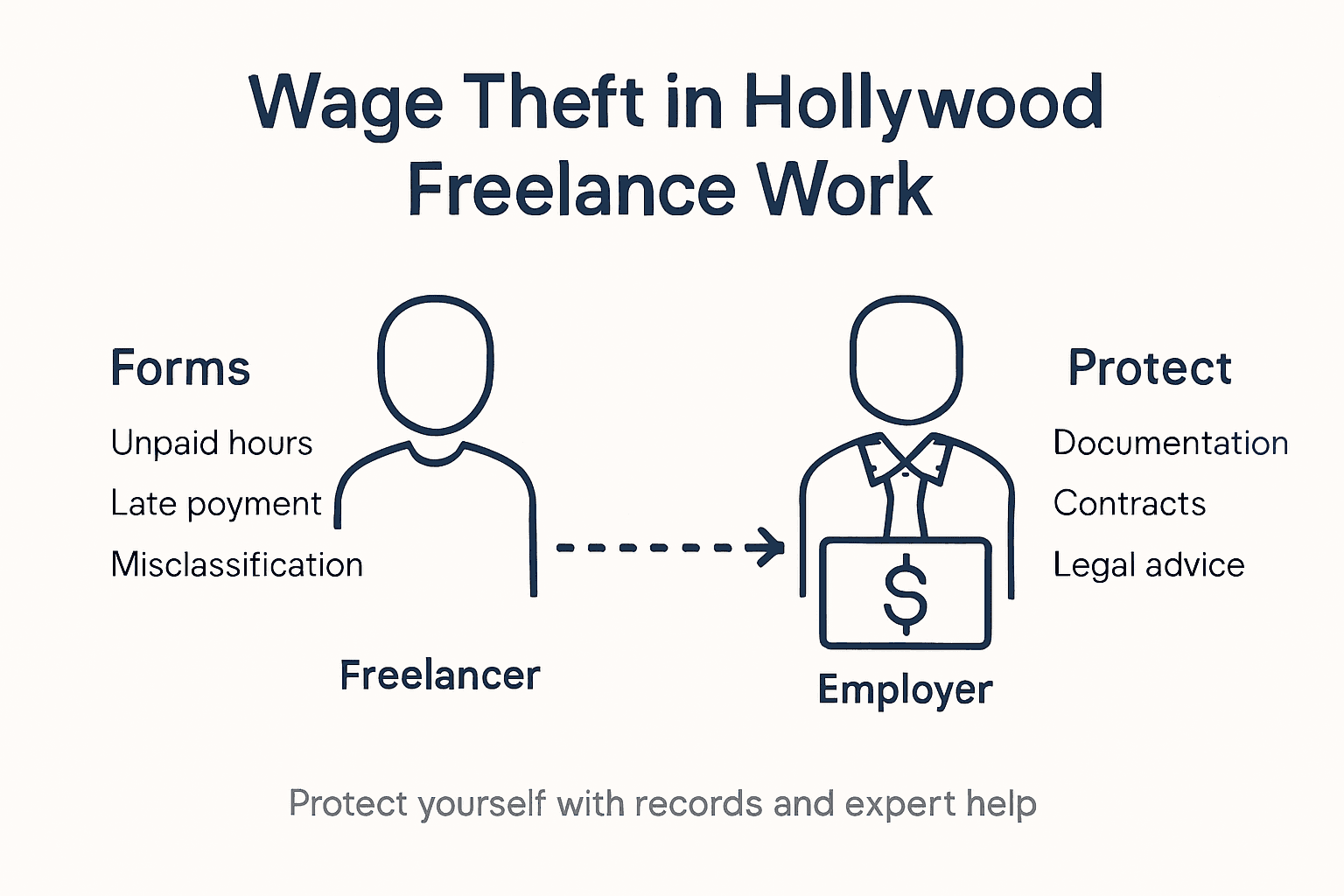
Successful wage theft claims depend on creating a clear, chronological narrative that demonstrates systematic underpayment or contractual violations. Hollywood creative professionals must approach documentation with the same precision they apply to their professional craft, treating evidence collection as a strategic process that protects their economic interests.
Pro tip: Create a dedicated digital folder for each project, immediately archiving all communications, contracts, and work-related documentation to ensure comprehensive evidence preservation.
Legal Remedies and Worker Rights in California
California provides robust legal protections for workers facing wage theft, offering multiple avenues for seeking justice and recovering lost compensation. Workers can initiate claims through the Labor Commissioner’s Office, which investigates wage theft allegations and facilitates hearings to resolve disputes, ensuring freelancers have formal mechanisms to challenge unfair employment practices.
Key legal remedies available to workers include:
- Administrative Claims
- Filing complaints with the Division of Labor Standards Enforcement
- Requesting investigations of wage theft allegations
- Seeking recovery of unpaid wages and penalties
- Court-Based Remedies
- Pursuing civil lawsuits for wage theft
- Requesting damages beyond unpaid wages
- Seeking attorney’s fees and legal costs
- Anti-Retaliation Protections
- Legal safeguards against employer punishment
- Potential additional compensation for retaliatory actions
- Preservation of employment rights
Despite existing legal frameworks, enforcement challenges persist, with many workers struggling to recover owed wages due to complex employer evasion strategies. Hollywood freelancers must navigate these systems strategically, understanding that legal remedies require persistent documentation and proactive engagement.
The California legal system recognizes the unique vulnerabilities of creative professionals, particularly freelancers who often work under informal or project-based arrangements. By providing multiple channels for wage recovery and strong anti-retaliation provisions, the state aims to level the economic playing field and protect workers’ fundamental right to fair compensation.
Pro tip: Consult with an employment law specialist who understands the nuanced landscape of creative industry wage disputes to maximize your potential for successful legal recovery.
Protect Your Rights Against Wage Theft in Hollywood Freelance Work
Wage theft threatens the livelihood of freelance creative professionals in Hollywood leaving many struggling to secure fair compensation for their work. If you have experienced unpaid project work, misclassification, or unauthorized pay deductions you are not alone. Recognizing these challenges early and having strategic legal guidance can make all the difference. Shirazi Law Office understands the complex realities of wage theft under California law and is dedicated to defending freelancers and independent contractors in the entertainment industry.
Take control of your rights today by consulting with trusted employment law experts who focus exclusively on workplace wage and hour disputes and retaliation cases. Our team helps you gather critical evidence and navigate the legal process to recover stolen wages and hold employers accountable. Do not wait until financial stress escalates. Learn more about how we protect creative workers at Shirazi Law Office and start your path toward justice now.
If you want personalized assistance tailored to your unique situation visit Shirazi Law Office and take the first step toward reclaiming what you deserve. Your fair wage is your right—make protecting it a priority today.
Frequently Asked Questions
What is wage theft in Hollywood freelance work?
Wage theft in Hollywood freelance work refers to situations where employers fail to pay workers the full compensation they are legally or contractually owed, often impacting independent contractors and gig economy workers in the entertainment industry.
What are common forms of wage theft that freelancers face?
Common forms of wage theft for freelancers include misclassification of employment status, unpaid project work, unauthorized paycheck deductions, underpayment of agreed rates, and forced uncompensated labor.
How can freelancers prove wage theft?
Freelancers can prove wage theft by gathering critical evidence such as original employment contracts, pay stubs, communication records, completed project deliverables, and time logs that demonstrate discrepancies between agreed compensation and actual payment.
What legal remedies are available for freelancers facing wage theft?
Legal remedies for freelancers facing wage theft include filing administrative claims with the Labor Commissioner’s Office, pursuing civil lawsuits for unpaid wages, and benefiting from anti-retaliation protections that safeguard their rights against employer punishment.





[…] you have experienced any of these issues, learning more about Hollywood freelance wage theft can help you understand whether what happened to you is legally actionable. A Culver City […]